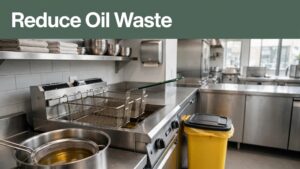
Across New Jersey and Philadelphia, restaurants collect used cooking oil, including fryer oil, after service and keep it separate from wastewater. Oil collection uses bins or tanks for scheduled pickup across different foodservice operations, creating a recoverable restaurant waste stream.
Licensed haulers filter out food solids and remove water through cooking oil recycling, preparing recovered oil for biodiesel, renewable diesel, and other biofuel production. This total oil management process differs from grease trap waste, which contains wastewater, food residue, and other materials. Environmental concerns, operating costs, and state requirements shape waste management, while sustainable practices reduce environmental impact by keeping the material out of drains and landfills.
Key Takeaways
- Restaurants in New Jersey and Philadelphia collect used cooking oil separately from interceptor waste and wastewater.
- Licensed haulers filter, process, and transport recovered oil through cooking oil recycling programs for biodiesel, renewable diesel, and other uses.
- In New Jersey, this type of restaurant waste is generally treated as a Class D recyclable material, with A-901 transporter and recordkeeping requirements.
- Pouring oil into sinks, floor drains, storm drains, dumpsters, or collection containers can cause blockages, environmental damage, and compliance problems.
- Recycling recovered oil can reduce disposal costs, support regulatory compliance, and sometimes provide payment for the material.
What Restaurants Do With Old Cooking Oil
Restaurants in New Jersey and Philadelphia usually send used cooking oil into a separate recycling chain. After the oil cools, staff strain out large scraps and transfer it into a sealed rolling bin or outdoor collection tank. An approved hauler removes the container or pumps out the tank, then transports the oil to a recycling or processing facility.
The material may become biodiesel, renewable diesel feedstock, industrial oil, soap, or another recovered product. The final use depends on quality, local markets, and processor equipment. In New Jersey, commercial used oil is generally treated as a Class D recyclable material rather than ordinary trash.
How Cooking Oil Recycling Turns Used Oil Into a Recycled Product
The process begins in the kitchen. Once fryer oil has cooled to a safe temperature, staff typically strain it to remove breading, batter, and other large scraps. The separated oil goes into a dedicated container with a closed lid. Indoor rolling bins are common in smaller commercial kitchens, while high-volume restaurants may use secured outdoor capacity in a storage tank.
A hauler collects the oil with a vacuum truck or removes the filled bin. Providers serving the region deliver it to a facility for screening, settling, and filtration. These stages remove food particles that could interfere with later processing. Some facilities also use centrifuges to separate heavier solids from the liquid.
Water must be removed as well. Rain, condensation, food moisture, and cleaning residue can enter a container if it remains open or poorly maintained. Processors may heat the oil to evaporate moisture, then filter it through finer screens. Cleaner recovered oil has more potential markets.
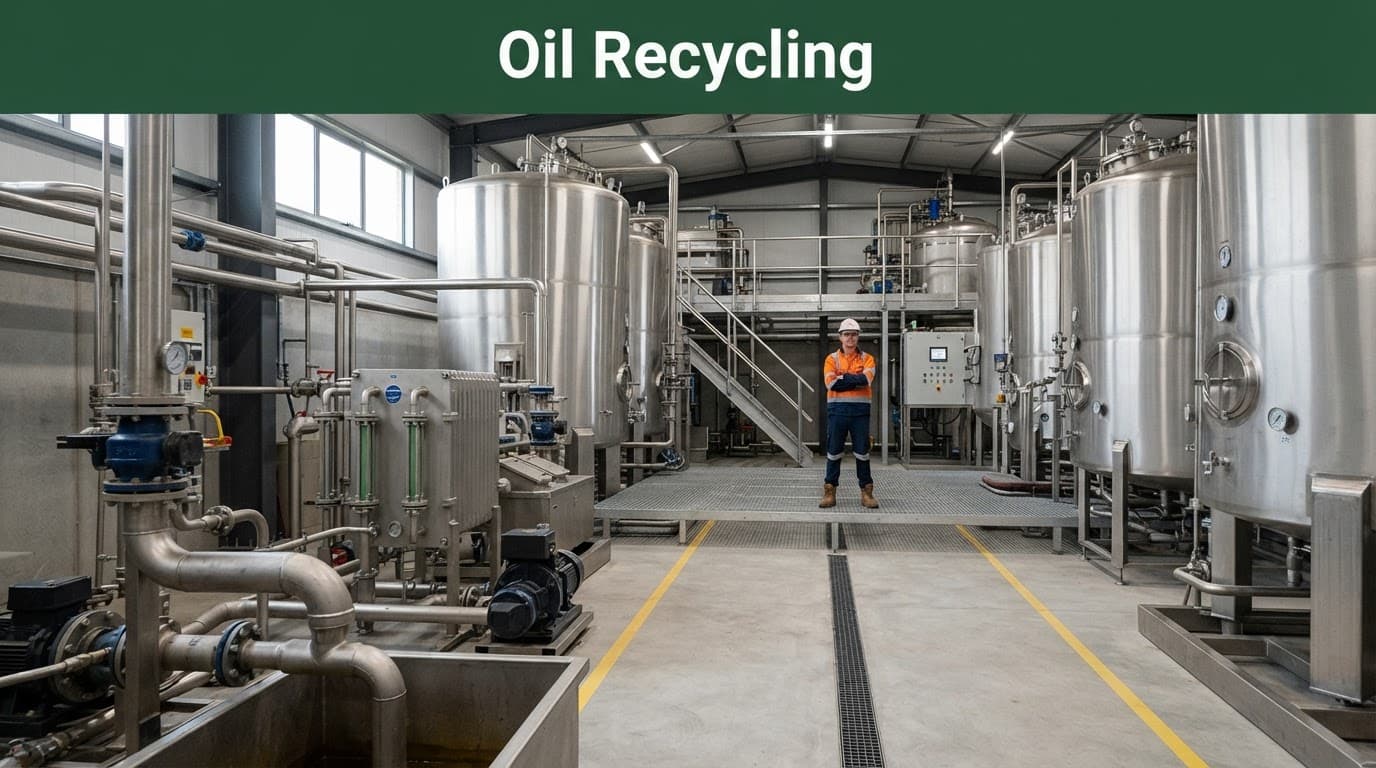
After physical cleaning, processors may refine the oil or prepare it for biofuel production. Biodiesel production commonly uses transesterification, a chemical process that turns suitable oils and fats into fuel molecules. Glycerol is produced as a byproduct. Other facilities prepare the material as feedstock for renewable diesel without using the same biodiesel route.
The original fat matters. Vegetable oil often has a broad recycling market, while fish oil, chicken fat, pork fat, and bacon grease may require different storage or processing decisions. Odor, moisture, acidity, and contamination also affect value. Oil mixed with chemicals, excess water, or food waste may have fewer reuse options and cost more to handle than fresh cooking oil.
Clean, separated oil is a commodity. Once it mixes with wastewater or chemicals, its value and recycling options can drop sharply.
Why Recovered Oil and Grease-Trap Contents Are Handled Differently
Recovered oil and grease-trap contents may both appear in a restaurant’s waste program, but they are different materials. Separated oil is relatively concentrated and valuable when staff keep it apart. Trap waste comes from wastewater and contains water, food solids, detergents, and other contaminants.
A grease-trap system slows wastewater and captures fats, oils, and grease before they enter the sewer. It is not designed to store large amounts of separated oil. Pouring hot or heavy oil into the trap can overload its capacity, shorten service intervals, and push additional material into downstream plumbing. For guidance on scheduling that maintenance, see how often a restaurant should clean its grease trap.
The distinction matters during collection. A recycler can often process clean oil as a consistent feedstock, while grease-trap contents require pumping and separate treatment. Mixing the two streams can make the oil harder to filter and create compliance, odor, and disposal problems. In both New Jersey and Philadelphia, keeping oil out of sinks, floor drains, storm drains, and grease-trap systems protects plumbing while preserving recycling value.
Recycling Used Restaurant Cooking Oil in New Jersey and Philadelphia
Restaurants in New Jersey and Philadelphia follow different compliance systems, but the practical rule is the same: used cooking oil must stay out of plumbing and stormwater systems. Clean oil belongs in a dedicated container for cooking oil recycling. Grease trap waste requires a separate grease disposal pathway.
New Jersey Collection, Transport, and Recordkeeping Rules
New Jersey generally classifies used cooking oil as a Class D recyclable material under the state’s solid-waste and recycling framework. This classification places it within the broader rules for restaurant waste and recyclable materials. NJDEP requirements govern how the material is stored, collected, transported, and processed.
A company transporting used cooking oil for restaurants generally needs the required A-901 solid waste transporter license, along with applicable Certificate of Public Convenience and Necessity requirements. NJDEP also requires registered vehicles to display the proper vehicle decal. Restaurants should confirm that a hauler’s license, vehicle registration, and decals are current before scheduling recurring pickups.
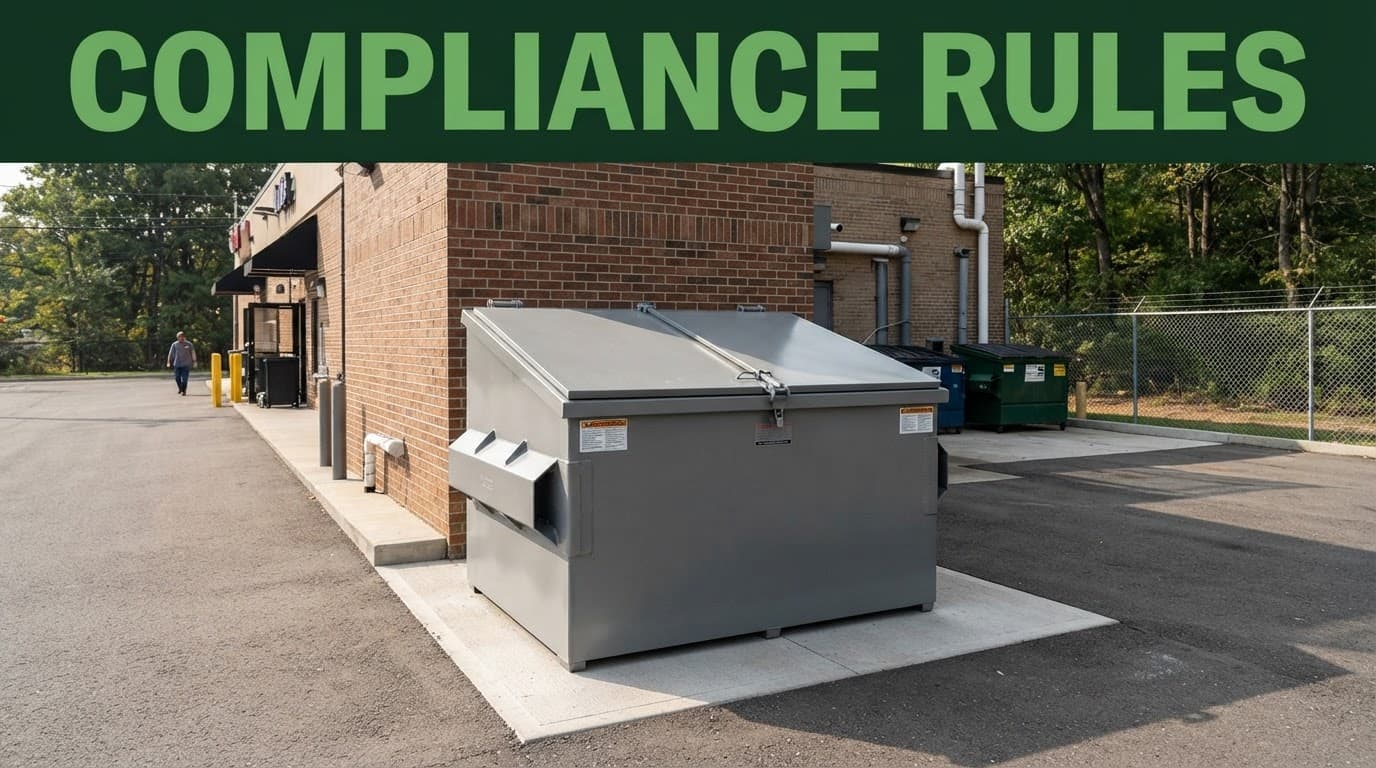
Storage conditions matter as much as licensing. Staff should place cooled fryer oil in sturdy, sealed containers. Containers should remain upright and protected from rainwater, leaks, vehicle impact, and unauthorized access. Open drums and improvised containers can allow water and debris into the oil. They can also create slip, odor, or fire hazards.
A well-run collection program creates a clear paper trail. Pickup records should identify the restaurant, date, container or volume collected, hauler, destination, and payment or disposal transaction. Manifests, invoices, weight tickets, service agreements, and transporter information can help establish where the material went.
A sealed container protects both the oil’s value and the restaurant’s evidence that it handled the material responsibly.
These documents support total oil management and help demonstrate compliance. Businesses should retain records for the period required by applicable NJDEP rules and related permits. Retention periods and documentation requirements can vary by material, facility, and service arrangement. Restaurant operators should verify current requirements with NJDEP or a qualified compliance professional.
New Jersey also prohibits sending fats oils and grease into sinks, toilets, floor drains, storm drains, or a sanitary sewer. A drain may carry the liquid away temporarily, but hardened grease can remain in pipes. It may restrict flow and contribute to sewer overflows.
Philadelphia Grease Traps, Approved Haulers, and Storage
Philadelphia places stronger day-to-day emphasis on sewer protection. Businesses that use significant amounts of grease must install and maintain a grease trap or interceptor. These systems capture fats, oils, and grease before wastewater enters the sewer system. Regular cleaning is part of that obligation, not an optional maintenance task.
Fryer oil awaiting pickup should stay on the restaurant’s premises in a suitable, closed container. Leaving containers on sidewalks can cause leaks, odors, blocked pedestrian access, and enforcement problems. The oil should remain separate from wastewater and grease-control equipment contents.
Philadelphia businesses typically use Philadelphia Water Department-approved haulers and approved processing facilities for regulated grease-related waste. Restaurants should keep grease-trap cleaning logs, invoices, manifests, and disposal records. These documents show when service occurred and where the material went.
Routine fryer-oil pickup differs from grease-trap pumping. A recycler collects relatively clean oil from a fryer-oil bin or tank. A grease hauler pumps the trap’s water-heavy contents for separate handling. Mixing those streams can reduce recycling value and complicate disposal records.
Philadelphia also prohibits discharging fats, oils, and grease into sinks, toilets, storm drains, or sewers. Because requirements can vary by municipality, restaurants should confirm current rules with PWD, NJDEP, or the relevant local agency before changing a collection or maintenance program.
How Restaurants Store Old Cooking Oil Before Pickup
The period between fryer shutdown and hauler arrival determines whether used cooking oil remains recyclable or becomes a spill and contamination problem. In a busy New Jersey or Philadelphia kitchen, storage should fit the workflow. Staff should not carry heavy containers through crowded service areas.
Safe Containers Make Collection Cleaner and More Reliable
Restaurants commonly use indoor rolling bins for short-term storage and smaller kitchens. These bins can sit near the fryer area, making oil collection easier without carrying containers through the dining room or preparation line. Commercial kitchens with higher volumes often use secure outdoor containers or above-ground tanks. A large storage tank can hold more oil and let collection trucks pump the material directly.
Regardless of size, a container should remain stable, covered, leak-proof, and clearly labeled as used cooking oil, not fresh cooking oil. A lid keeps out rain, pests, food debris, and cleaning residue. Outdoor containers also need protection from vehicle impacts, unauthorized access, and stormwater. Secondary containment or an impermeable surface can limit a leak before it reaches a floor drain or storm drain.
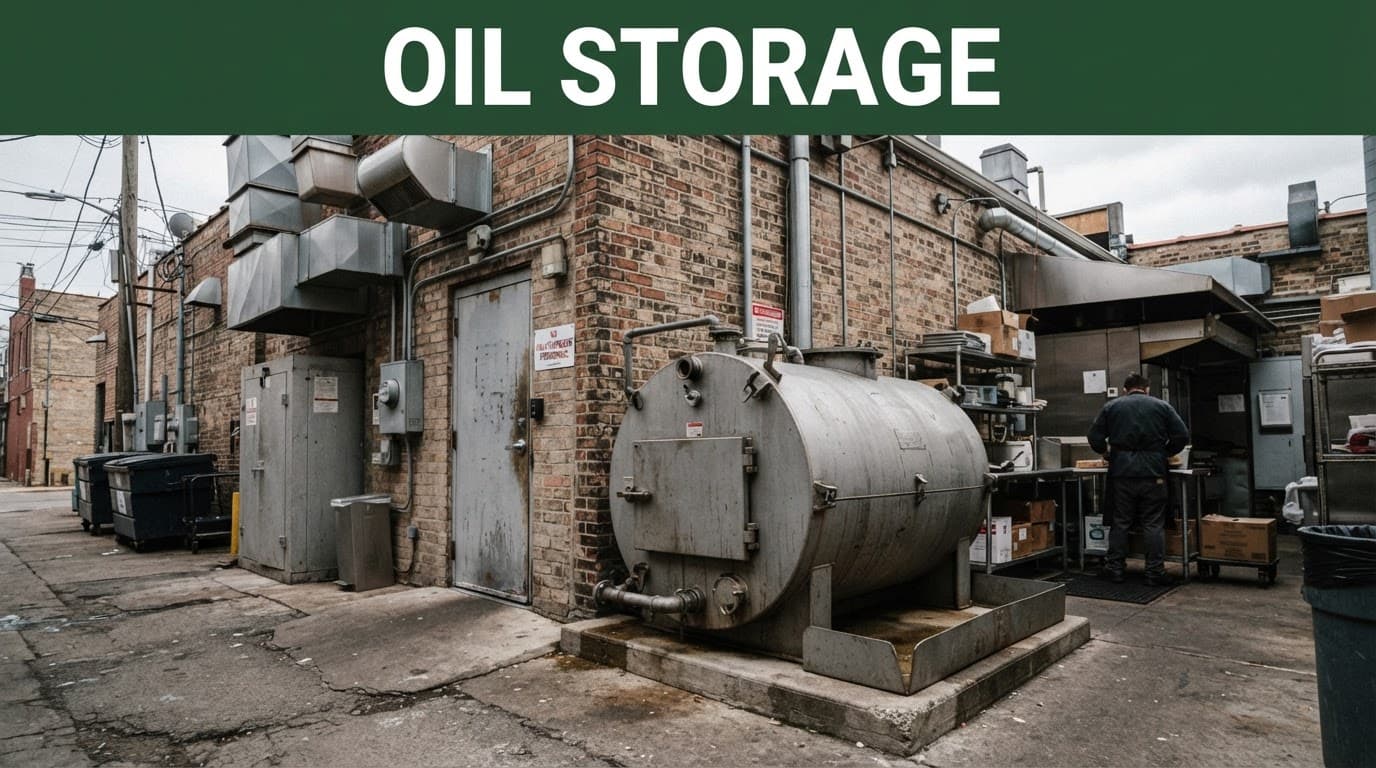
Placement affects safety as much as the container itself. Staff should move oil along a clear route that avoids customers, open flames, food preparation surfaces, and busy work areas. A bin beside a fryer may save steps, but it should not block exits or create a collision hazard.
Fryer oil must cool before transfer. Moving it while hot can burn skin, damage a container, or ignite nearby materials. Once cool, staff can strain out large food particles before placing the material in the collection bin or tank.
The oil stream should contain oil only. Water, detergents, degreasers, chemicals, trash, and food waste reduce its quality and complicate downstream cooking oil recycling. Keeping these materials separate protects the collected material’s value and reduces odors, clogged drains, and cleanup work.
Scheduled Pickups Can Turn Waste Into a Recoverable Resource
Pickup frequency depends on several operating conditions. A restaurant with multiple fryers and a fried-food-heavy menu may fill a container within days. A smaller café may need service less often, while holiday traffic, summer tourism, catering, or special events can quickly change the volume.
Storage capacity also affects the schedule. Waiting until a bin is completely full may seem efficient, but overfilled containers are harder to move and more likely to spill. A dependable collection program sets pickup intervals around fryer count, oil production, available space, and seasonal demand.
Clean, well-separated oil can sometimes earn a rebate or payment because processors can recover it as feedstock for biodiesel or renewable diesel. Contaminated loads may have less market value. Water, chemicals, or excessive food solids can create sorting and handling costs instead of a payment.
A simple recordkeeping system helps managers see whether oil management and pickup schedules match actual production. Records should include:
- The pickup date and approximate volume collected.
- The hauler or recycler and the material’s destination.
- Any rebate, payment, service charge, or adjustment.
- Notes about spills, contamination, missed service, or unusual volume.
Restaurants with questions about containers, local collection practices, or compliance can contact a qualified local oil recycler, NJDEP, or the Philadelphia Water Department. These records and conversations help operators understand where the material goes and whether the recycling service works as intended. Reliable separation and reuse support sustainable practices while turning fryer waste into a controlled material stream.
The Cost of Pouring Cooking Oil Down the Drain
Pouring used cooking oil into a sink takes seconds, but the resulting cost can extend far beyond a plumbing repair. As it cools, the oil sticks to pipe walls and combines with food particles, soap, and cooking grease. Over time, this buildup narrows the line and causes slow drainage, backups, and sewer overflows.
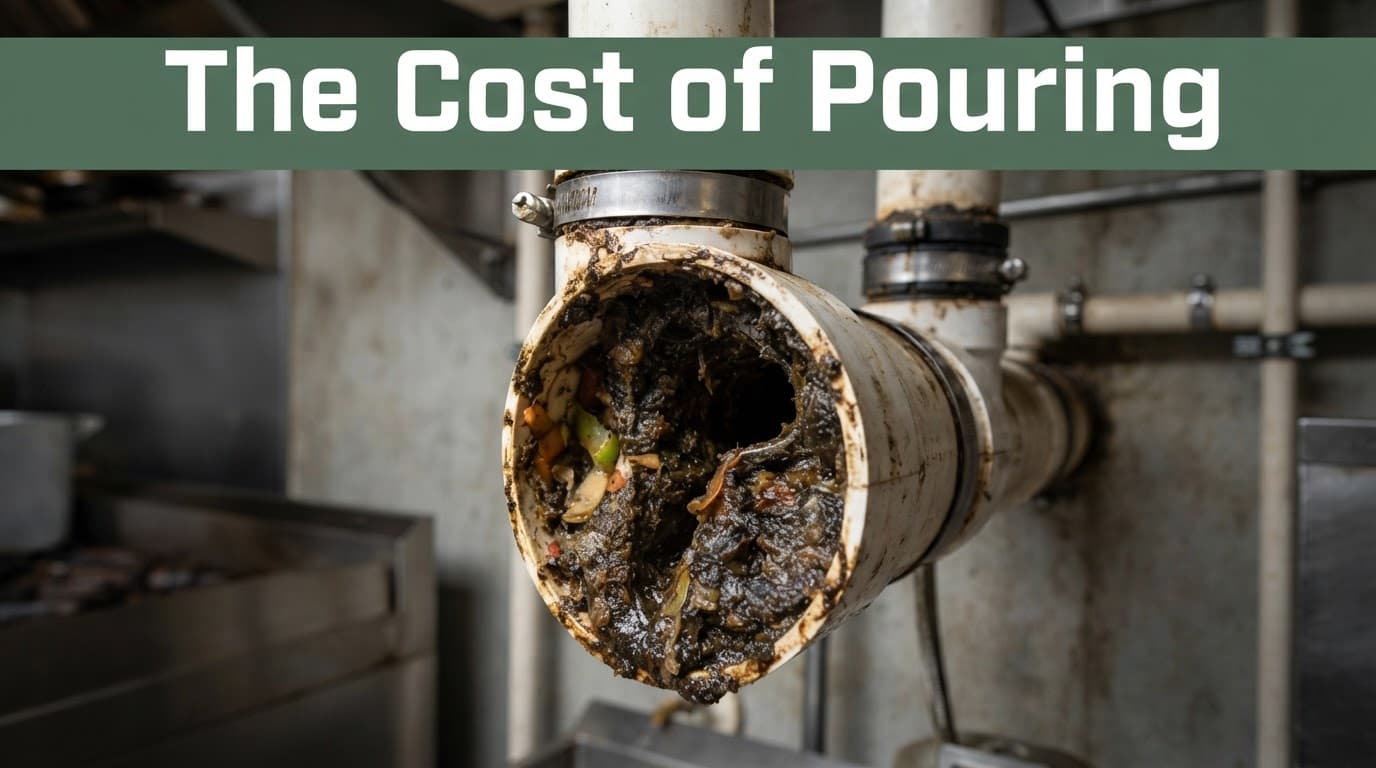
A drain backup can damage floors, walls, equipment, and stored food. Emergency plumbing, after-hours cleanup, wastewater extraction, and replacement costs can quickly exceed the value of the oil a restaurant avoided storing. If a discharge reaches a storm drain or sanitary sewer, the business may face inspections, cleanup costs, documentation requests, or penalties under local rules.
The Philadelphia Water Department requires grease-producing businesses to maintain appropriate traps and use reputable recycling and grease disposal services. Philadelphia guidance also supports regular pumping and recordkeeping, with inspections possible when grease causes operational or sewer problems. In New Jersey, requirements vary by municipality, and local ordinances may impose daily or per-violation penalties, along with costs for damage or corrective work. No single statewide fine applies to every restaurant.
The commercial consequences can continue after a blockage is cleared. A recurring odor, sewage spill, or visible grease release can disrupt service and damage a restaurant’s reputation with customers, landlords, neighboring businesses, and inspectors. Proper cooking oil recycling is therefore a waste-handling decision, a maintenance decision, and a risk-control measure. It can also reduce the environmental impact of releases into stormwater and local waterways.
What a Restaurant Should Look for in an Oil Recycler
A restaurant should compare recycling service providers by reviewing the service agreement, not just the promised rebate. The following checklist can expose gaps before the first pickup:
- Licensing and approval status: In New Jersey, the hauler should provide current A-901 information and applicable transporter credentials. Philadelphia restaurants should confirm whether the collector and receiving facility meet Philadelphia Water Department requirements for the relevant waste stream.
- Clear pickup terms: The agreement should state container ownership, minimum volume, pickup frequency, missed-service procedures, emergency service charges, and what happens when a container is overfilled.
- Suitable containers: Indoor rolling bins may fit a smaller kitchen, while a high-volume operation may need a secured outdoor steel tank. The provider should explain lid, placement, cleaning, leak prevention, and secondary-containment requirements.
- Spill response: A responsible recycler should identify who responds to leaks, how quickly service begins, and which cleanup costs the restaurant may bear. Staff should not have to improvise after oil reaches a floor drain.
- Reliable scheduling: Pickup records should show whether the hauler arrives on schedule and adjusts service when fryer volume changes. Missed collections can create unsafe storage and overflow risks.
- Documentation: Each transaction should produce a pickup ticket, volume or weight record, date, hauler identification, destination, and payment or service adjustment. These records support inspections and internal waste tracking.
- Transparent pricing: Rebate formulas, contamination deductions, container fees, fuel surcharges, and oil disposal charges should appear in writing. Restaurants should compare recovered-oil value with ongoing fresh cooking oil costs. Clean fryer oil and mixed waste should never be priced as though they were the same material.
- Separate handling: Fryer oil belongs in the recycling stream. Grease trap waste contains water, solids, detergents, and other contaminants, so it requires separate pumping, transport, and treatment.
The most revealing questions are simple: Where does the oil go after pickup? Can the collector identify the processor, final product, or receiving facility? Can it provide proof of recycling or documentation of the final destination? A clear answer creates an auditable chain of custody. A vague answer leaves the restaurant responsible for a waste stream it can no longer see. This visibility supports total oil management, from storage and pickup through final processing. For a deeper vetting process, see our guide to choosing the right restaurant used oil recycler in New Jersey.
Frequently Asked Questions
Restaurant operators often know fryer oil should be recycled, yet practical questions remain about payment, contamination, pickup schedules, and compliance. The answers depend on oil quality, kitchen volume, container design, and the rules in New Jersey or Philadelphia.
Do restaurants get paid for used cooking oil?
Many restaurants receive payment or a rebate for clean, separated fryer oil. Processors can sell the material as a fuel feedstock, so clean cooking grease may have market value. Payment depends on market conditions, volume, quality, and container type.
Some service agreements include container rental, transportation, or maintenance fees. These charges can reduce the final payment. A written agreement should explain the pricing formula, contamination deductions, and fees before pickups begin.
How often should a restaurant schedule cooking-oil pickup?
Pickup frequency should match the kitchen’s production and storage capacity. A busy fried-food restaurant may need service every few days. A smaller operation may fill its container over several weeks.
Seasonal demand can change the schedule. Catering, holiday traffic, summer business, and menu changes may fill a bin faster. Collection program records help managers adjust service before an overflow occurs.
What happens if water or food waste gets mixed with fryer oil?
Water, detergents, degreasers, and food particles reduce the quality of recovered oil. Processors must spend more time removing contaminants. Heavily mixed loads may receive a lower rebate or incur extra handling charges.
Staff should strain large solids before transferring cooled oil. Wastewater belongs in the grease trap, not the storage container. Moisture can also increase splashing, odors, and processing problems when the material is heated.
Can restaurants recycle chicken fat, bacon grease, or fish oil?
Yes, many recyclers accept animal fats and specialty oils, including chicken fat, pork fat, bacon grease, and fish oil. These materials may require separate storage, blending, or processing. Their odor, moisture, acidity, and melting characteristics can differ from vegetable oil.
The hauler should identify accepted materials before combining them. Keeping unusual fats separate helps the processor assess the load accurately. It also prevents an incompatible material from lowering the value of an entire batch.
What records should a New Jersey restaurant keep?
A New Jersey restaurant should retain pickup tickets, invoices, weight records, service agreements, and hauler information. Records should identify the receiving facility, collection date, quantity, and whether the transaction involved payment or a service charge.
NJDEP treats this material as a Class D recyclable material when managed for recycling. The transporter must meet the used-oil standards in N.J.A.C. 7:26A-6.6. Registered vehicles must carry the required identifying information and current documentation.
What should happen after a cooking-oil spill?
Staff should keep people away, stop the source if safe, and prevent oil from reaching a floor drain, storm drain, or sanitary sewer. Absorbent material can contain a small spill. Contaminated cleanup materials need proper handling, not disposal through a drain or recycling bin.
A larger release may require emergency cleanup and notification under state or local rules. Transporters also have immediate response duties when a discharge occurs during transport. The collection company should provide a clear spill-response procedure before service begins.
Conclusion
Restaurant cooking oil is commonly collected as a resource, not treated as ordinary trash. After use, fresh cooking oil becomes recovered oil for fuel and manufacturing, while grease-trap waste remains a separate, water-heavy material requiring pumping and disposal.
Careful separation, safe storage, approved hauling, and accurate records connect kitchen work with cleaner sewer systems and traceable reuse. Properly recovered oil may become renewable fuel, linking daily food service to a regulated collection network.