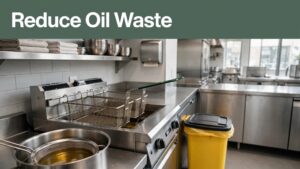
Leftover cooking oil needs a clear destination before the next busy service begins. You can reduce cooking oil waste by protecting oil that’s still suitable for cooking, then storing spent oil securely for recycling.
For a restaurant, oil quality and waste handling are separate responsibilities. A consistent routine prevents premature disposal without keeping degraded oil in the fryer. Start with the oil already in service.
Key Takeaways
- Filter usable fryer oil regularly, and replace it according to established food-quality and safety standards.
- Keep spent oil separate from water, food scraps, cleaning chemicals, and other waste.
- Use a dedicated, secure container, and keep collection access clear.
- Arrange dependable recycling with clear pickup records, accepted-material requirements, and service terms suited to your kitchen.
How Can I Stop Used Cooking Oil from Going to Waste?
Keep oil in service, and filter and reuse it, only while it meets your kitchen’s safety and quality standards. Once it no longer qualifies, collect it for recycling. The decision to reuse oil means cooking with it again; recycling sends spent oil for processing into other materials.
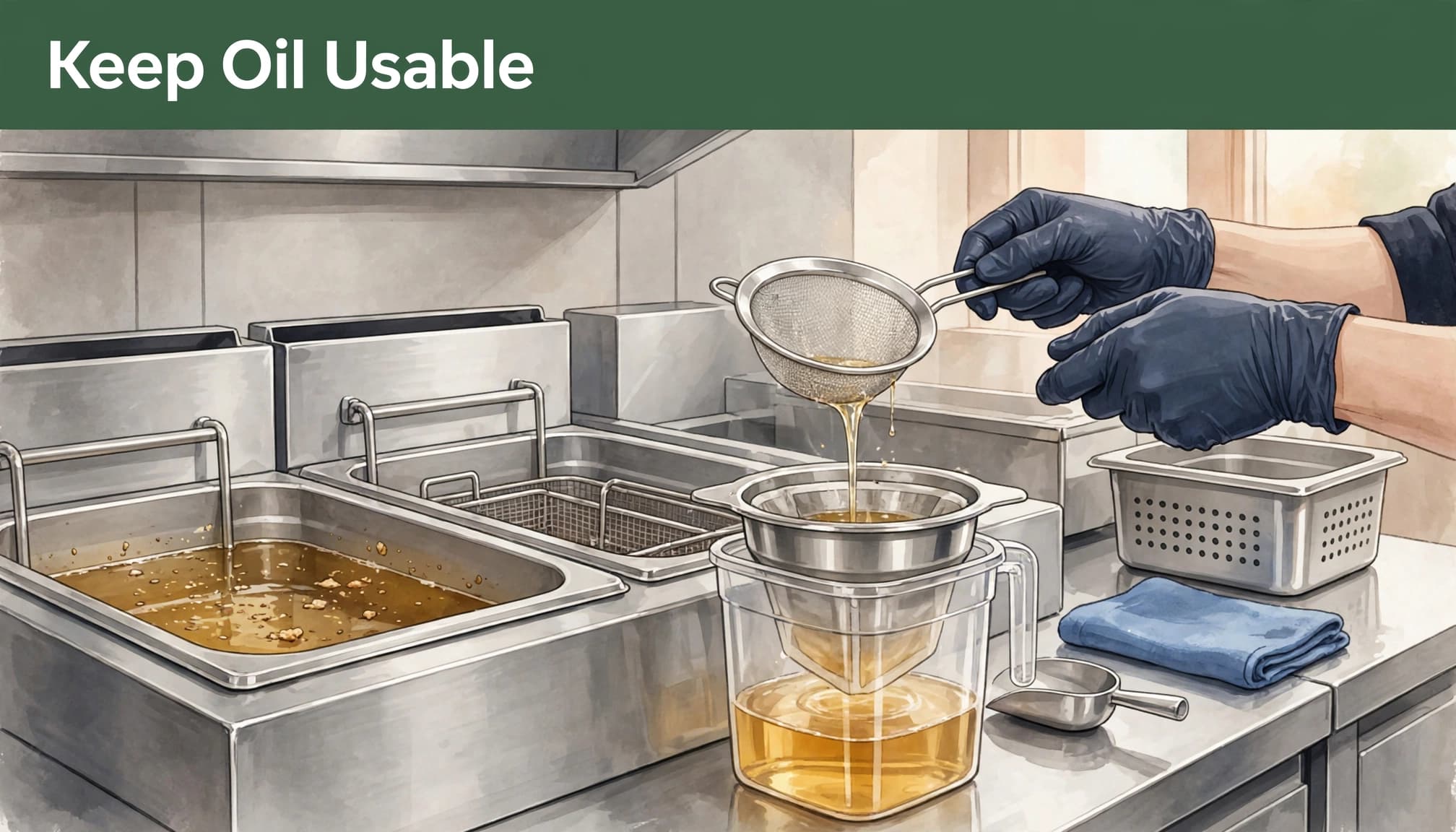
Keep fryer oil usable without compromising food quality
Filter crumbs regularly because food debris can burn and shorten oil life. Keep water and food debris out of the fryer, and follow equipment instructions for regular filtering and oil changes.
Dark color, off smells, excessive foaming, and poor cooking results can indicate declining quality. However, staff should follow established kitchen standards rather than judging oil by one sign alone.
Know when oil should leave the fryer
Don’t extend food use simply to avoid timely cooking oil disposal. Drain and transfer rejected oil using equipment instructions and workplace procedures, including the specified cooling and handling conditions.
Keep the transfer route clear, and use designated transfer equipment. Collect spent oil separately from food scraps and other waste streams.
Store used cooking oil safely until pickup
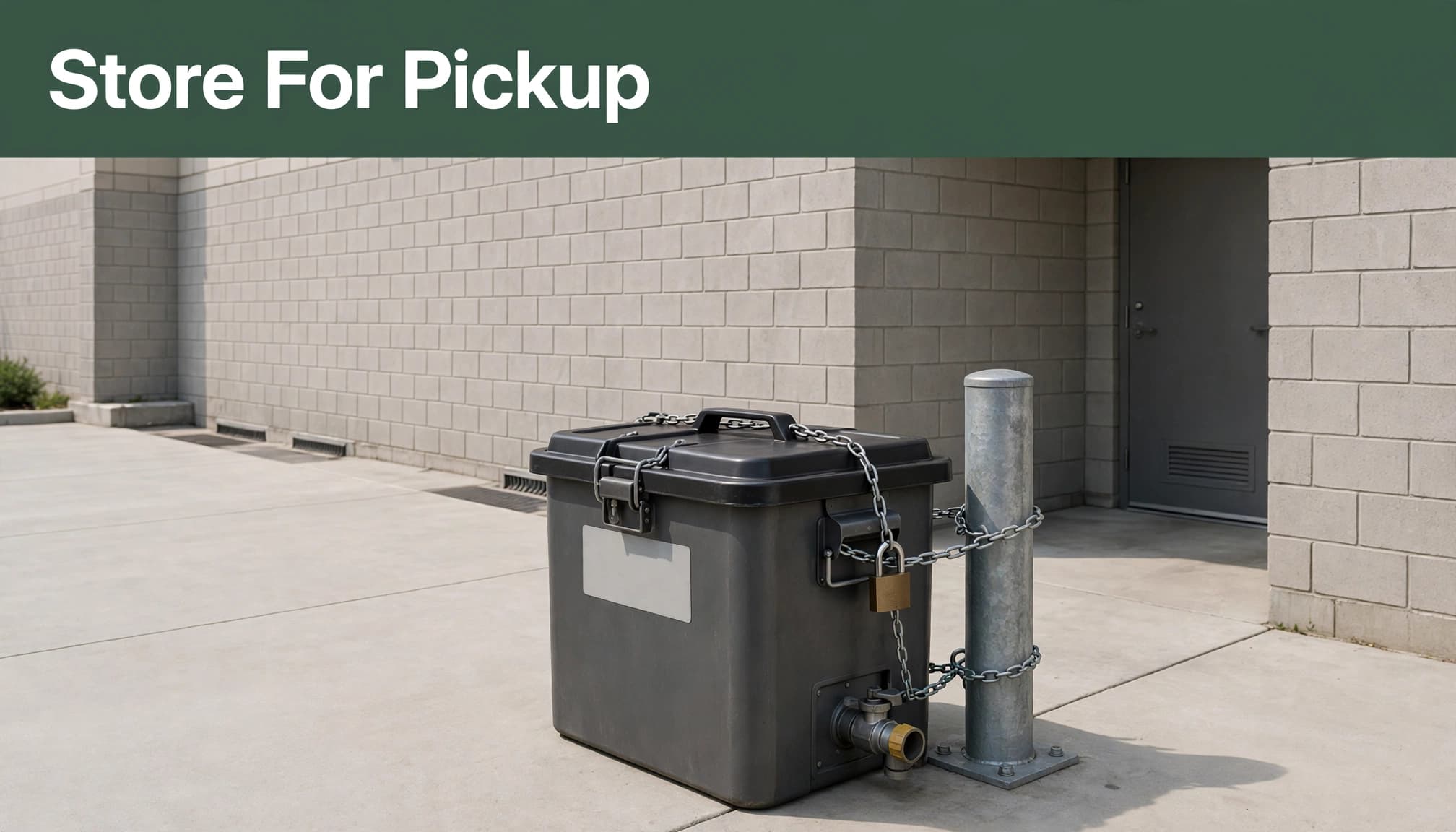
Proper storage helps prevent spills, pests, and odors. First, transfer used oil into its dedicated container according to workplace procedures. Next, secure the lid or lock and clean any drips. Keep the area accessible, and record collection dates so staff can track service.
Choose a container that fits your kitchen
Choose a sturdy, lidded container sized for your oil volume and available space. Its capacity should accommodate normal use between scheduled pickup dates.
Secure outdoor storage can reduce spills and unauthorized access. However, placement must leave the collector’s access route clear.
Keep oil out of sinks, floor drains, and storm drains
Oil can cool and solidify inside pipes, causing clogs and backups. EPA’s fats, oils, and grease guidance addresses grease control in wastewater systems.
Storm drains are also unsuitable because discharged oil can reach waterways. Never pour oil down a sink drain, floor drain, or storm drain during transfer and cleanup.
Turn cooking oil waste into a useful resource
A collector transports spent oil to a processor, where water and food particles can be removed. The EPA’s food waste pathways assessment describes processing used cooking oil into purified fats.
Cleaned oil may become feedstock for biodiesel, renewable diesel, or other products. Its destination depends on the processing route; every gallon doesn’t necessarily become the same fuel. Converting cleaned oil into biodiesel and other renewable fuels can significantly reduce greenhouse gas emissions.
Set up dependable oil collection for your business
Compare pickup frequency, container service, spill response, accepted materials, documentation, and any fees or rebates. Ask where collected used oil goes and what proof of service you’ll receive.
We provide used cooking oil collection and cooking oil recycling for foodservice businesses throughout New Jersey, including Central New Jersey. Match your pickup schedule to your kitchen’s output so containers don’t overflow between visits.
Check local requirements before choosing a disposal routine
Sewer, recycling, health-department, and container-placement requirements vary by location. Use the requirements issued by your local sewer authority, recycling office, and health department when establishing your routine. Homeowners may be able to drop off small amounts at a household hazardous waste facility, while commercial kitchens typically need contracted service.
An ordinary compost system is not suitable for restaurant-scale oil volumes. Keep bulk oil in its designated collection stream rather than mixing it with compostable scraps.
Frequently Asked Questions
Can used cooking oil go down the sink if it is still liquid?
No. Liquid oil can cool and harden farther along the pipes, beyond the sink. Hot water or detergent doesn’t make drain disposal acceptable.
Can I reuse cooking oil after frying?
Yes, but only while it meets your kitchen’s food-quality and safety standards. Routine filtering removes particles, but it doesn’t restore degraded oil.
What happens to used cooking oil after a recycler collects it?
Processing typically removes water and food solids. The cleaned oil may become feedstock for biodiesel, renewable diesel, or other products, depending on the processor and the oil’s condition.
Should restaurant cooking oil be put in compost or regular trash?
Commercial cooking oil disposal must follow local waste rules and use a dedicated collection service. Household hazardous waste events may accept residential drop-offs, but restaurants need a commercial collection route.
Make Oil Handling Part of the Kitchen Routine
Reduce waste by protecting usable oil and removing it from food service when quality declines. Then keep used cooking oil in a secure, dedicated container until collection.
Reliable cooking oil recycling starts with clear staff responsibilities. Assign someone to inspect the container, maintain the surrounding area, and track the pickup schedule. That routine gives spent oil a useful destination without compromising food quality or creating avoidable mess.