A grease trap protects your restaurant plumbing by capturing fats, oils, and grease before they enter the sewer line. When it fills up, the warning signs can move quickly from an unpleasant smell to a kitchen shutdown.
Ignoring an overdue grease trap cleaning can lead to backups, leaks, pests, health concerns, damaged plumbing, and lost service hours. Every commercial kitchen needs to act early, follow local regulations, and use a qualified provider to maintain the health of the sewer system and ensure consistent operations.
Key Takeaways
- Recognize early warning signs: Foul odors, gurgling drains, and slow water drainage are primary indicators that a grease trap is nearing capacity and requires professional attention.
- Follow the 25% rule: Industry standards dictate that when fats, oils, grease, and solids occupy more than 25% of the trap’s capacity, a professional cleaning is necessary to prevent system failure.
- Avoid chemical shortcuts: Never use drain chemicals to clear clogs, as these agents may emulsify grease and push it further into the plumbing system, creating more severe downstream blockages.
- Prioritize preventive maintenance: Establishing a consistent cleaning schedule based on kitchen volume and menu output is more cost-effective than dealing with emergency shutdowns, health code violations, or expensive plumbing repairs.
The Most Common Signs Your Restaurant Grease Trap Needs Immediate Cleaning
Kitchen staff often spot the problem before a major backup occurs. One symptom may justify a service call. Several symptoms at once usually mean the trap needs attention that day.
A foul odors near floor drains, dishwashing stations, or the grease trap is a common warning sign. Trapped food particles break down inside the unit, while old grease turns rancid. Air freshener may hide the smell briefly, but it won’t remove the source.
Slow drainage also points to a full trap or blocked line. Water may pool in a three-compartment sink, take too long to clear from a floor drain, or bubble when another fixture drains. Gurgling sounds often mean FOG (fats, oils, and grease) is preventing air from moving freely through a restricted pipe.
Watch for these additional signs:
- Grease or sewer backups: Murky wastewater near a floor drain or sink is an urgent sanitation issue.
- Visible grease around the lid: A poorly sealed or overloaded trap can leak onto the floor.
- More flies, roaches, or rodents: Food solids and grease residue attract pests.
- Repeated plumbing calls: If drain clogs return after snaking, the trap or connected line may still hold grease.
- Unexpectedly high water levels: Grease and solids leave less room for wastewater inside the trap.
A grease trap that smells bad, drains slowly, and leaks is past its normal maintenance point.
A full grease interceptor does not always look full from the surface. Thick grease can sit below the waterline, while settled solids collect on the bottom. Industry standards often follow the 25% rule, which suggests that if the combined layer of FOG and solids occupies more than 25% of the trap capacity, professional grease trap cleaning is required to prevent system failure. That is why visual checks should lead to professional service rather than guesswork.
For broader context on sewer overflows and their public health risks, review the EPA’s sanitary sewer overflow information.
What to Do When Your Grease Trap Shows These Warning Signs
Start by limiting what goes into nearby drains. Tell staff to keep fats oils and grease, food scraps, sauces, and wash water with heavy residue out of sinks until the issue is resolved. Because FOG can quickly solidify, be sure to scrape cookware and plates into trash or food-waste containers first.
If water has reached the floor, protect employees from slips and keep customers away from the affected area. Use cones or barriers, then isolate the area if wastewater may have contacted food-prep surfaces or clean utensils. Ignoring these overflows can lead to health code violations, so follow your restaurant’s sanitation procedures carefully before reopening the space.
Call a professional grease trap cleaner promptly. Give the provider a clear description of what staff noticed, including odors, slow drains, overflows, and the last known cleaning date. That information helps the crew arrive prepared to perform the necessary grease trap cleaning.
Avoid quick fixes that push the problem farther down the line. Chemical additives can emulsify grease, allowing it to travel beyond the trap and collect in downstream pipes, which often leads to expensive plumbing issues. Pouring hot grease into a drain creates the same problem after it cools and hardens.
Some local sewer authorities set their own grease-control rules, inspection standards, and maintenance records. New Jersey operators should confirm the requirements that apply to their municipality and sewer district to ensure full compliance, particularly when opening a new kitchen or changing equipment.
How Professional Grease Trap Cleaning Restores Safe Drain Flow
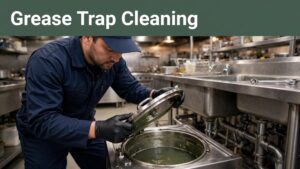
Professional grease trap cleaning removes more than just the floating grease cap. A qualified crew begins with an inspection of the grease interceptor, access points, and surrounding plumbing. They check for leaks, damaged components, excessive solids, and signs that grease has moved into inlet or outlet lines.
Next, the technician performs grease trap pumping to remove the collected grease and food solids. These comprehensive pumping services include scrubbing the baffles, walls, and fittings to ensure no residue remains. Inlet and outlet lines may also need professional attention when buildup has restricted flow.
The collected material must then be transported and handled through an appropriate waste process. Licensed haulers document the service, including the disposal of captured wastewater, which provides restaurant managers with a necessary record for internal maintenance files and local health inspections.
A final flow check confirms that water moves through the system as intended. This work is more complete than scooping surface grease with a bucket or adding a drain chemical. Chemical-free trap maintenance physically removes the material that causes odors and blockages.
Professional service also protects kitchen employees. Because grease traps can contain contaminated wastewater, sharp debris, and slippery residue, technicians utilize personal protective equipment to maintain safety standards. Proper equipment and handling reduce the risk of spills inside an active food-service operation.
How to Prevent Future Grease Trap Emergencies
Preventive care costs less than an emergency cleanup, lost sales, or a damaged sewer line. Set a maintenance schedule based on your menu, cooking volume, trap size, and local requirements. A busy fryer-focused commercial kitchen generally needs a higher cleaning frequency than a cafe with limited cooking.
Staff habits matter every day. Train cooks, dishwashers, and closing crews to scrape plates, wipe pans, and dispose of food solids before washing. Install drain screens and empty them often to minimize the amount of FOG (fats, oils, and grease) that enters your plumbing. While screens do not replace a grease trap, they significantly reduce the solids that settle inside it.
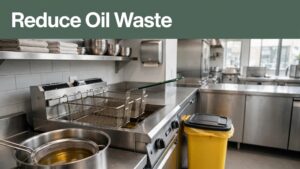
Used cooking oil needs its own collection plan. Keep cooking oil in secure indoor or outdoor containers, never in mop sinks or floor drains. Scheduled used cooking oil recycling pickups help prevent overflowing storage containers and simplify your grease disposal process. Reliable pickups reduce the chance of spills near dumpsters or loading areas.
For Central New Jersey restaurants, choose a provider that can manage your grease traps, supply suitable storage containers, remove oil on schedule, and provide a detailed maintenance log for every service. Ask how the company handles recovered grease and oil, along with what happens if your kitchen needs urgent assistance.
Regular inspections close the gap between scheduled visits. Managers should check for odors, slow drainage, standing water, and grease near lids or drains during routine kitchen walk-throughs. If these issues persist, it may be time to schedule professional grease trap cleaning or grease trap pumping to address underlying blockages before your service stops.
Frequently Asked Questions
How often should I have my grease trap professionally cleaned?
The frequency of cleaning depends on your kitchen’s grease output, the size of your trap, and local regulations. A high-volume kitchen with frequent frying will require more frequent service than a small café, so consult with your waste management provider to establish a reliable schedule.
Can I clean the grease trap myself instead of hiring a professional?
It is highly recommended to hire a licensed professional to ensure the work is performed safely and in compliance with environmental laws. Professionals have the specialized equipment required to remove all sludge, clean the baffles, and properly dispose of hazardous waste while documenting the service for health inspections.
What should I do if I notice a grease backup in my kitchen?
Immediately stop all water usage in the affected area to prevent further overflow and keep staff and customers away from the contamination. Once the area is secured and potential food safety hazards are mitigated, contact a professional grease trap cleaning service to address the blockage and sanitize the space.
Why does my drain still smell even after I clean the floor drains?
If odors persist despite cleaning your drains, the smell is likely originating from the grease trap itself due to rancid FOG buildup. You should inspect the trap’s seals and determine if it is time for a professional pumping, as surface cleaning cannot address the decomposition occurring inside the unit.
Keep Grease Problems Out of Your Kitchen
Strong foul odors, persistent sewer backups, and recurring plumbing issues are clear warnings that your grease trap requires prompt attention. Waiting to address these signs can expose your staff and customers to contaminated water while putting your entire operation at risk.
Maintaining a clean trap is the best way to keep wastewater moving and ensure your facility stays in compliance with local environmental regulations. By prioritizing regular grease trap cleaning and establishing a consistent cleaning frequency, you can better manage FOG accumulation. Managing your grease disposal needs proactively will help you avoid the stress and expense of an emergency overflow.