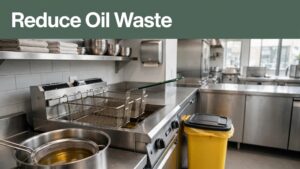
Restaurants Can Earn Money When They Recycle Their Used Cooking Oil With J Oil Recyclers
A typical commercial kitchen receives free pickup or a modest collection rebate for used cooking oil, often called fryer oil. It usually isn’t a major new income stream. Offers depend on oil quality, especially whether it is clean, separated yellow grease. Monthly volume, local demand, and route costs also matter.
For restaurants, food trucks, cafeterias, caterers, and other food service businesses, the best arrangement often combines reliable service with fair payment. Dependable cooking oil collection can be as valuable as the payment itself. New Jersey businesses also need to consider licensed transportation, records, and safe storage.
Key Takeaways
- Clean, separated used cooking oil, including fryer oil, may qualify for a collection rebate, but free pickup is common.
- Reported clean yellow grease estimates reached about $0.48 to $0.52 per gallon in 2024.
- Contamination, irregular volume, and difficult access can reduce payment.
- New Jersey commercial kitchens should use licensed haulers and retain pickup records.
- A dependable pickup schedule can prevent costly overflows and spills.
How Much Money Can I Make Recycling Used Fry Oil?
The used cooking oil recycling pay rate is usually modest. Industry reports placed many restaurant payouts around $0.25 to $0.50 per gallon in 2024, while a clean yellow grease benchmark reached about $0.48 to $0.52 per gallon. A lower-end estimate of $0.30 per gallon is a useful planning figure, not a promised rate.
| Monthly oil volume | Gross value at $0.30 per gallon | Gross value at $0.48 to $0.52 per gallon |
|---|---|---|
| 100 gallons | $30 | $48 to $52 |
| 500 gallons | $150 | $240 to $260 |
| 1,000 gallons | $300 | $480 to $520 |
These figures show why used fry oil works best as a waste-management rebate rather than a profit center. A collector’s offer for used cooking oil can change with location, contract terms, and oil condition. Cooking oil prices can change with regional conditions and renewable diesel or biodiesel production demand. Sustainable aviation fuel is another influence, though not every collector serves that market.
Why Clean Yellow Grease Pays More Than Mixed Waste Oil
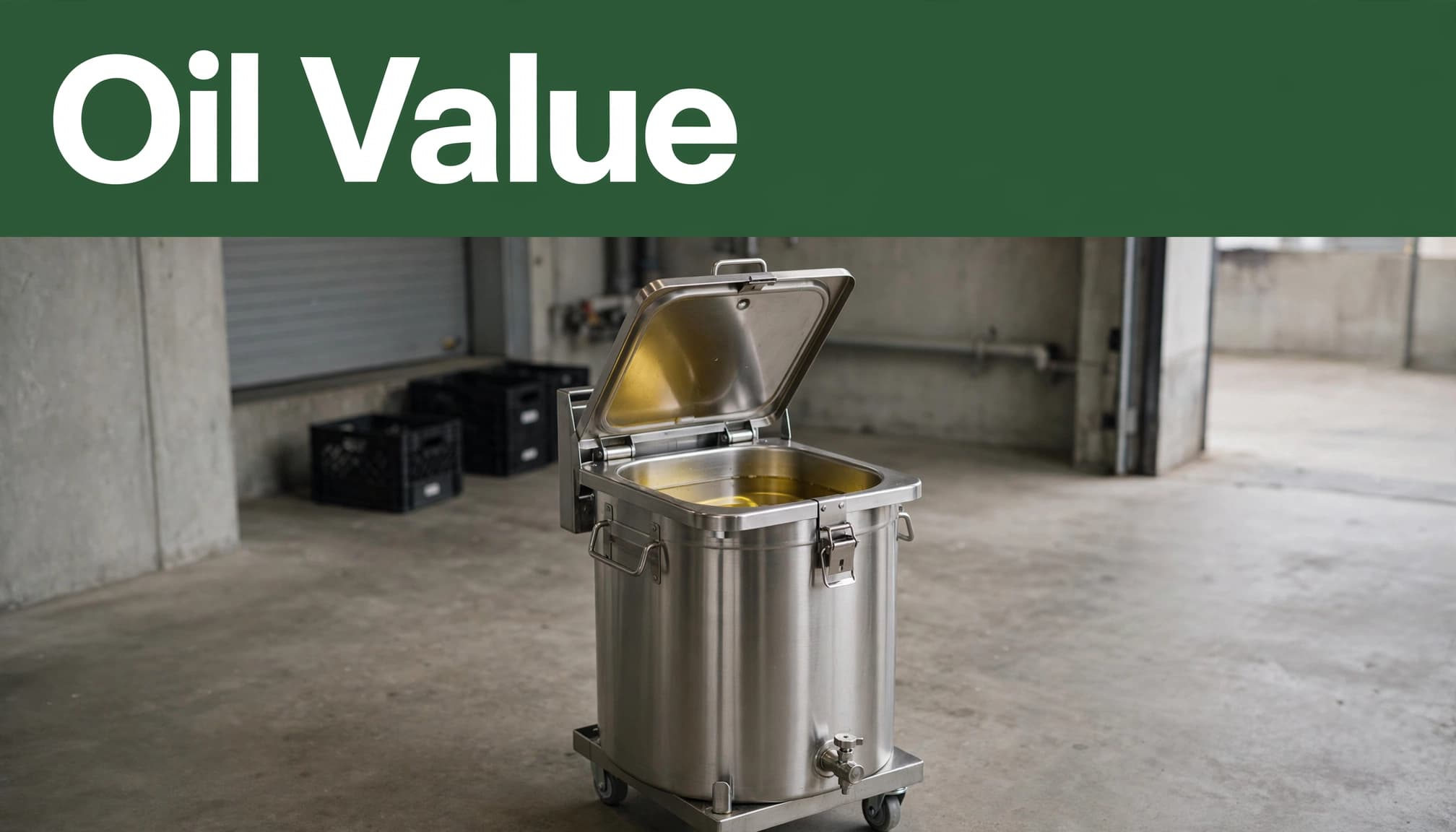
Collectors want usable recycled yellow grease, not a mixed waste stream. Keep fryer oil away from water, food scraps, trash, grease trap waste, animal fat, cleaning chemicals, and motor oil.
Cleaner oil generally has stronger rebate potential, and oil quality affects payment. Water, food debris, and degradation can affect the material’s free fatty acid profile or processing value. Straining or basic oil filtration can reduce solids, but it doesn’t guarantee payment. Ask each recycler how it tests incoming oil, since no universal purity cutoff guarantees a rebate.
Free Pickup, Rebates, and Selling Oil Yourself
Commercial kitchens usually choose among collection services, scheduled free pickup, pickup with a rebate, or self-delivery to a collection center. Self-delivery may appear more profitable, but labor, vehicle space, fuel, disposal fees, and spill risk can erase the difference. Secure containers and clear provider arrangements can also help reduce cooking oil theft risk at high-volume sites.
Baker Commodities’ collection program states that pickup is free in most cases and that rebates may depend on volume and oil type. DAR PRO Solutions is another large commercial collector. You may also encounter Restaurant Technologies when comparing providers, so confirm its local service availability and terms. Always ask each UCO collector for written pricing, pickup frequency, container responsibility, and contamination rules.
What Determines the Value of Fryer Oil?
A recycler prices a used cooking oil account, not only the gallon. Consistent yellow grease and simple truck access often matter as much as the posted market rate.
Volume, Pickup Frequency, and Container Size
A busy restaurant with predictable volume gives a collector an efficient stop. By contrast, small or irregular generators may receive free collection without a cash rebate. Long route distances, narrow access, and emergency pickups can also affect terms.
Indoor rolling bins and locking outdoor steel bins can fit different sites. Most importantly, choose a container size and pickup schedule that prevent overflow. Reliable collection services reduce staff handling, avoid urgent calls, and support total oil management.
Oil Quality, Storage Habits, and Market Demand
Strain oil before it enters the collection container. Keep lids closed, block rainwater, and use one dedicated bin for fryer oil. These habits preserve material quality and help prevent costly cleanup. Fryer oil is separate from brown grease in grease traps, and its handling doesn’t replace grease trap cleaning.
Demand for recycled yellow grease can come from biodiesel production, so cooking oil prices and quotes may change over time. Ask whether a quote is per gallon, linked to a market index, subject to contamination testing, or fixed for a stated contract period. That detail matters more than a high introductory number.
Free pickup can be the better financial choice when it replaces staff time, transport costs, spill exposure, and inconsistent service.
How to Get Paid Safely and Legally in New Jersey
New Jersey generally handles properly managed used cooking oil as a Class D recyclable material rather than routine trash. For restaurants, compliant restaurant grease disposal means choosing qualified collection services, confirming insurance, retaining service records, and never sending oil into drains.
The NJDEP A-901 licensing program oversees businesses engaged in the waste industry. Ask a prospective collector to confirm its licensing, insurance, and documentation practices, especially where environmental regulations apply. Commercial transporters also need required credentials and vehicle markings under NJDEP’s waste decal rules.
Avoiding Fines, Contamination, and Dangerous Spills
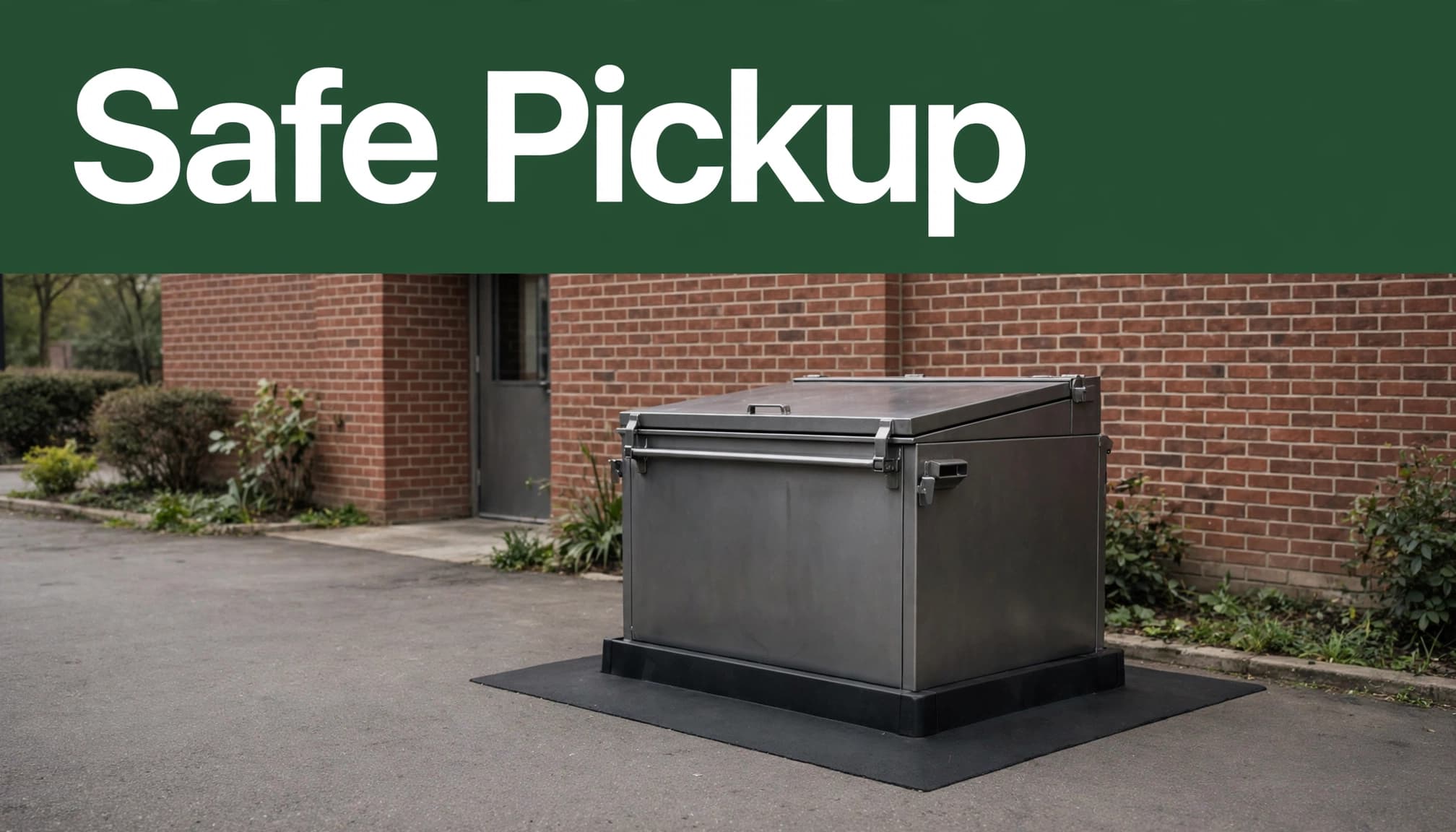
Let hot oil cool before transfer. Use sound oil storage containers, secure every lid, and keep rainwater and unauthorized materials out. Lock outdoor bins to reduce cooking oil theft risk, and use trained pickup staff to reduce handling risks at busy locations.
Never mix fryer oil with motor oil or hazardous substances. That mixture can change how the material must be managed, creating extra disposal fees or compliance costs. Fryer-oil pickup is separate from grease trap cleaning, so it isn’t a substitute for grease trap maintenance. Household drop-off programs aren’t a commercial shortcut. Ocean County provides one example, with its residential program limiting residents to five gallons per household per day.
Frequently Asked Questions
How often should a restaurant schedule used cooking oil pickup?
Schedule cooking oil collection based on production volume and container capacity. Most kitchens benefit from a fixed schedule before bins reach their safe fill level, rather than waiting for an overflow risk.
Can a food truck receive a rebate for fryer oil?
It can, but smaller and irregular volumes often qualify for free collection services instead. Secure storage and predictable access may improve the available options.
Do I need to sign a long-term recycling contract?
Not always. Before signing, review the contract period, cancellation terms, container ownership, rebate formula, and any charges for contaminated oil or emergency service.
Can I pour cooled fryer oil into a grease trap?
No. Grease traps and used-cooking-oil containers manage different materials. Keep fryer oil separate for proper collection and recycling. Pouring it into a grease trap isn’t a substitute for grease trap cleaning.
Final Thoughts
Used cooking oil usually pays for itself through free collection or a modest rebate. Clean separation, consistent yellow grease quality, safe containers, and reliable licensed service create the strongest financial and operational result.
New Jersey businesses should measure monthly gallons, request written quotes from local collectors, and compare the rebate with pickup reliability, safety practices, compliance support, disposal fees, and total oil management.