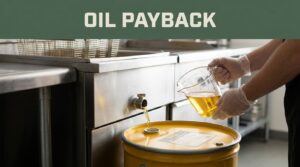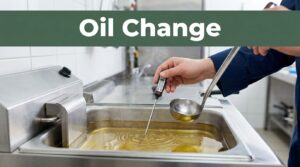
Most U.S. restaurants receive about $0.25 to $0.50 per gallon for used cooking oil. Actual offers can range from roughly $0.10 to $0.75 or more, depending on the account and current recycling costs.
Understanding Used Cooking Oil Recycling Payback helps food-service operators evaluate whether their current recycling program delivers fair value. Payments are rebates for recovered material, not guaranteed commodity prices. Clean material is commonly classified as yellow grease, and the payment can provide a modest revenue stream for a commercial kitchen.
Oil quality, monthly volume, location, contamination, and collection logistics shape the final amount. The details below show how cooking oil recycling pricing works and how to set up reliable service.
Key Takeaways
- Most used cooking oil rebates range from $0.25 to $0.50 per gallon.
- A recent market benchmark placed cash rebates near $0.34 per gallon.
- Oil quality affects payouts, and clean, filtered fryer oil usually earns more.
- Volume, pickup access, and local fuel demand influence each quote.
- A reliable collection service with a predictable collection schedule may matter more than the highest advertised rate.
How Much Does Used Restaurant Cooking Oil Recycling Pay?
For most food-service businesses, used cooking oil recycling pays about $0.25 to $0.50 per gallon. Broader market ranges run from around $0.10 to $0.75 per gallon, with the strongest rates usually reserved for clean, high-volume accounts in competitive markets.
A recent U.S. price tracker for used cooking oil placed the average restaurant rebate near $0.34 per gallon. At that rate, a restaurant producing 100 gallons would receive about $34. Market prices are not fixed retail prices, so a recycler’s current quote matters more than any published average.
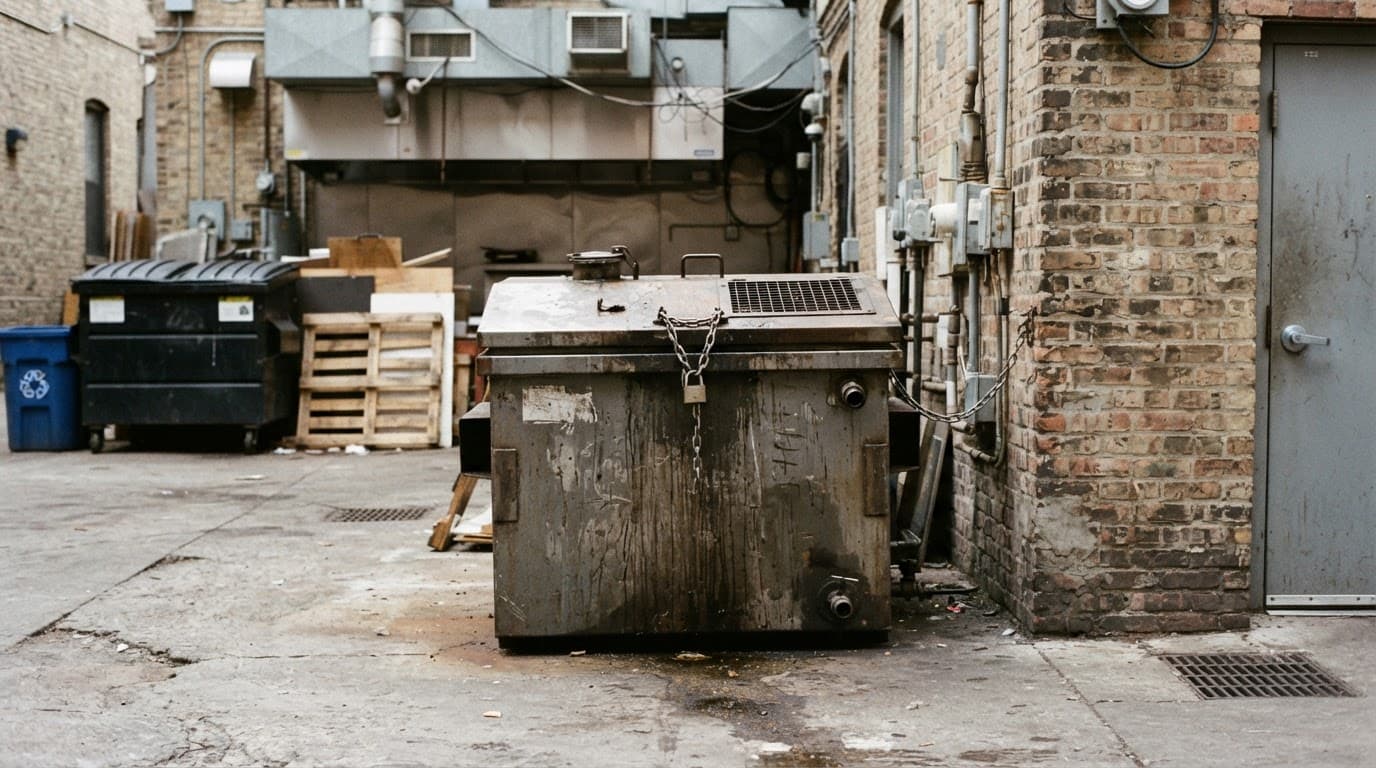
Collectors may provide free pickup with no payment for low-volume accounts. Others offer cash rebates, service credits, or revenue-sharing arrangements. Review the net value after fees, container charges, or cleanup terms, especially when recyclable waste oil is mixed with other materials.
Why Used Cooking Oil Prices Differ by Region
Regional rates depend on nearby yellow grease processors, renewable diesel facilities, transportation distance, and collector competition. Freight costs can reduce a rebate when a collector must travel far for a small load.
Recent market guides place many Northeast offers around $0.15 to $0.45 per gallon. Some high-demand markets pay more. A local collector can provide the only meaningful rate for your restaurant’s location and volume.
What Happens When Oil Is Contaminated or Low Value?
Water, food scraps, and cleaning chemicals can lower the oil quality of fryer oil. Water and solids may increase free fatty acids or reduce usable yield, but the price impact depends on the contamination level and collector standards.
Keep used cooking oil in a closed storage container, separate from other waste streams. Removing solids and keeping water out helps protect its resale value.
A high rebate has little value if overflowing containers, missed pickups, or cleanup work disrupt kitchen operations.
What Determines a Restaurant’s Used Cooking Oil Payout?
Collectors calculate rebates by weighing oil quality, recoverable volume, route efficiency, and current demand for yellow grease. These factors determine how much usable used cooking oil reaches a processor and what each pickup costs.
Restaurants can improve their position by filtering oil before storage, using the supplied container, and recording gallons collected. Those records help verify quantities and confirm that payments match the agreed pricing method.
Market conditions still set the ceiling. Broader renewable-fuel demand can increase the value of recovered oil, while weaker commodity pricing can reduce offers across a region.
Cleaner Oil and Larger Volumes Usually Earn More
Filtered yellow grease is easier for processors to convert into biofuel than oil mixed with debris or water. Filtering fryer oil removes solids and water, which can improve oil quality.
Free fatty acids also affect processing, but they aren’t the only pricing factor. Restaurants should use filtration powder only when the recycler confirms it’s compatible with the process.
High-volume commercial kitchen operations often receive stronger offers because one pickup collects more usable material. Small restaurants can still benefit when they have dependable scheduled service or combine volumes across several locations.
The Container and Pickup Setup Can Affect Your Net Return
Indoor rolling bins and secure outdoor steel containers can both work well when staff use the storage container correctly. Drivers also need clear, safe access to the collection point.
Emergency calls, long travel distances, blocked containers, and repeated overflows increase service costs. Dependable oil management and a consistent collection schedule can outperform a higher headline rate by reducing emergency pickups, overflows, and staff cleanup.
How Used Restaurant Cooking Oil Recycling Works for Food Businesses
First, allow used cooking oil to cool to a safe handling temperature. In a commercial kitchen, staff transfer it into the recycler’s designated container and keep water, food waste, and chemicals out. Record pickup dates and approximate volumes for consistent tracking.
Next, the collection service removes the oil according to the collection schedule or after an approved service request. Recovered yellow grease may be directed to biodiesel production, renewable diesel, or sustainable aviation fuel feedstock, depending on processor specifications.
This used cooking oil recycling process reduces drain disposal and helps keep fats oils and grease out of sanitary sewer systems, where blockages can contribute to sanitary sewer overflows. Grease trap cleaning is a separate service from clean cooking-oil collection. Before signing an agreement, compare container supply, cleanup support, pickup timing, documentation, and possible service fees.
What to Ask Before Choosing an Oil Recycling Company
Ask for the current per-gallon payment and whether it changes with the market. Confirm any minimum-volume requirement, container cleaning policy, and response process for spills or missed pickups.
Also ask whether the company provides collection records for regulatory compliance. These records can help distinguish collected cooking oil from other waste oil. Compare total service value, safety practices, and reliability rather than focusing only on a quoted payment.
A Practical Call to Action for New Jersey Restaurants
Central New Jersey restaurants can call New Jersey Oil Recyclers to discuss oil volume, pickup needs, container requirements, cleanup support, and a tailored recycling program. The company handles vegetable oil, fish oil, chicken fat, pork fat, and bacon grease through customized oil management plans. Request a quote based on your volume and preferred pickup schedule.
Frequently Asked Questions
Do all restaurants get paid for used cooking oil?
Many restaurants qualify for a rebate when they provide enough used cooking oil. Payment depends on volume, the condition of the oil, location, and the collector’s program. Very small or contaminated loads may receive free pickup only or require a service fee.
How often should a restaurant schedule used oil pickup?
Pickup frequency depends on fryer use, storage capacity, and safety needs. Choose a routine that prevents unsafe overflow and allows enough oil to accumulate for efficient collection. Never pour oil into plumbing for drain disposal.
Can restaurants sell cooking oil from a grease trap?
Grease-trap waste usually has less value than clean fryer oil because it contains water, solids, and other waste. This mixed waste oil should stay separate from used-oil collection. Grease trap cleaning is a separate service that restaurants should arrange as needed.
How can a restaurant increase its used oil rebate?
Keep food debris and water out of the oil, use the correct container, and maintain predictable pickups. Compare local providers, but remember that rates can change even when handling practices improve.
Final Thoughts
Restaurants commonly receive $0.25 to $0.50 per gallon for used cooking oil, but the final rebate depends on quality, volume, location, and collection logistics. Clean yellow grease and dependable service create the strongest long-term value.
A well-managed recycling program reduces waste issues, protects plumbing by avoiding drain disposal, and supports renewable fuel production. This also lowers environmental impact and the carbon footprint associated with waste. Central New Jersey restaurant owners can contact New Jersey Oil Recyclers for a tailored collection and pricing discussion.