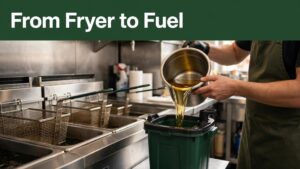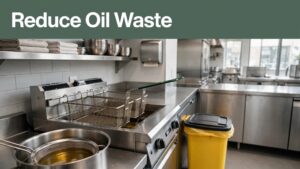
After collection, used cooking oil can become transportation fuel, feed-grade oil, or ingredients for soaps and other chemical products. The outcome of recycling used cooking oil depends on oil quality, the processor’s equipment, and demand for the finished product.
For restaurant owners, that answers the question behind every pickup: where does the oil go once it leaves the kitchen? Collection starts a recovery process, but it doesn’t guarantee that every load reaches the same destination.
Your restaurant’s handling practices matter because processors need suitable raw material for each product. Keeping water, food scraps, and cleaning chemicals out of the container helps preserve the oil’s usefulness. Understanding what happens after pickup also helps you choose sensible storage practices and ask better questions about collection records.
Key Takeaways
- Collected cooking oil can become biodiesel, renewable diesel, sustainable aviation fuel, feed-grade products, or useful chemical ingredients.
- Processors may settle, screen, filter, and dewater oil before preparing it for a particular use.
- Water, food debris, salt, and cleaning chemicals can affect acceptance, processing costs, and the oil’s destination.
- Approved containers, secure lids, and appropriate pickup schedules help restaurants protect oil quality and maintain useful collection records.
- Clean-fuel tax credits apply to qualifying downstream production. Having your restaurant’s oil collected doesn’t automatically make your business eligible for a credit.
How recycling used cooking oil turns waste into usable products
After pickup, a collector may deliver oil to a processing facility or transfer it through an intermediate storage operation. Some businesses collect and process oil themselves; others supply separate processors. Therefore, the number of transfers and treatment steps varies.
How processors separate oil, solids, and moisture
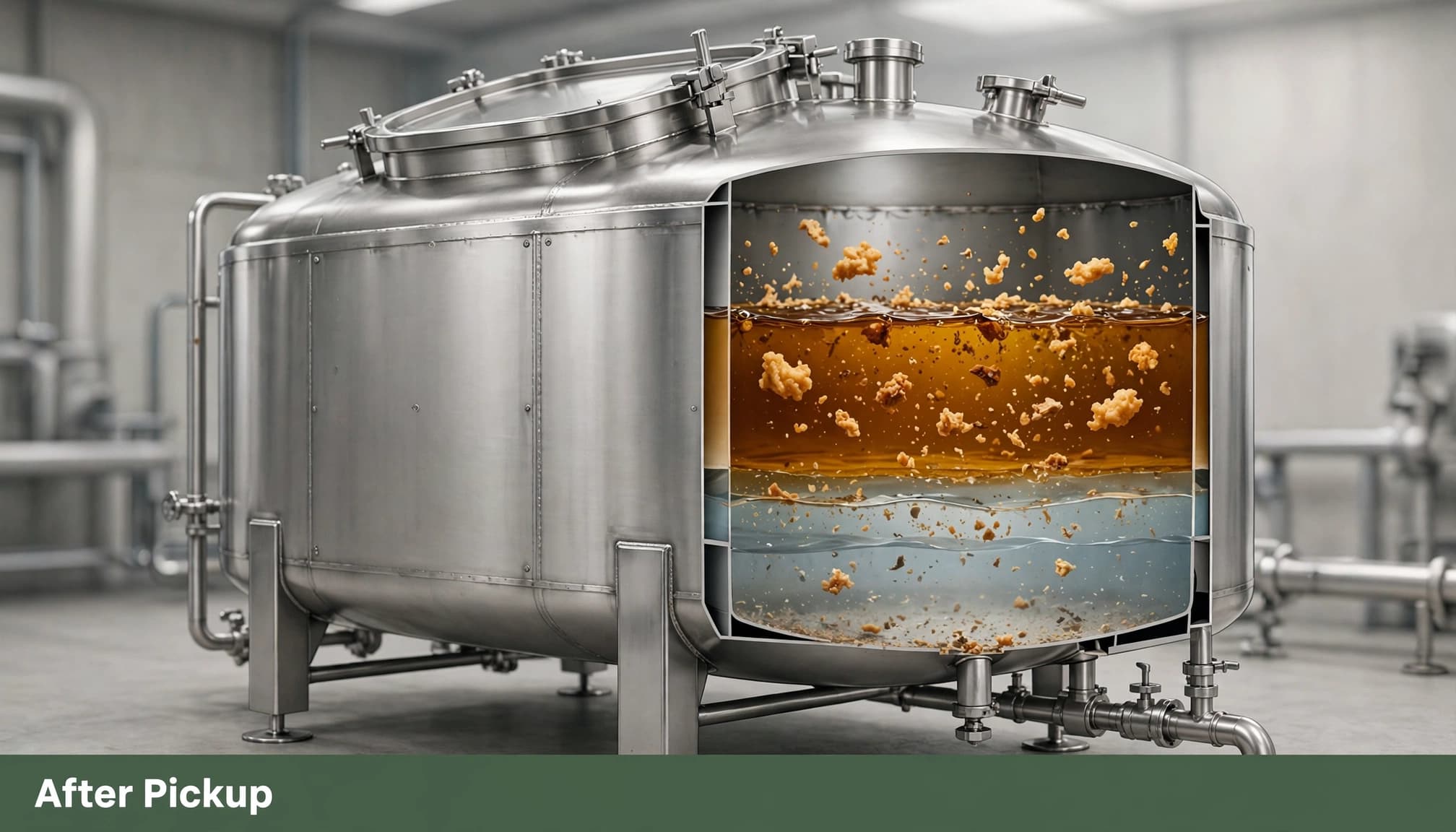
At a facility, settling can separate heavier material, while screens and filters remove food particles. Heating and dewatering can reduce moisture before further treatment.
However, cleaned oil isn’t automatically a finished product. A fuel producer may need additional pretreatment before chemical conversion. A feed processor follows a different set of product requirements.
Oil may also move through storage and blending stages before conversion. Those transfers make accurate identification and quantity records useful throughout the chain.
This small-scale filtration demonstration shows one preparation step, rather than the complete commercial recycling process:
Why water, food scraps, and other contaminants matter
Moisture and food particles add material that processors must remove. Salt and cleaning chemicals can also affect whether oil meets a buyer’s specifications. Heavily degraded oil may require different treatment than a cleaner load.
A filter can remove visible crumbs, but it doesn’t establish that the oil is free of chemical contamination. Likewise, oil that looks clear may still contain moisture or dissolved contaminants.
Visually clean oil isn’t proof that a batch meets fuel or feed requirements.
There’s no single acceptance limit for every collector and end use. Restaurants should follow their collector’s storage instructions rather than applying a standard intended for another product. Keeping unwanted material out at the source reduces avoidable processing problems.
What collected cooking oil can become
The main destinations include fuels, feed ingredients, and chemical raw materials. However, a particular collection service shouldn’t promise a specific finished product without a documented downstream arrangement.
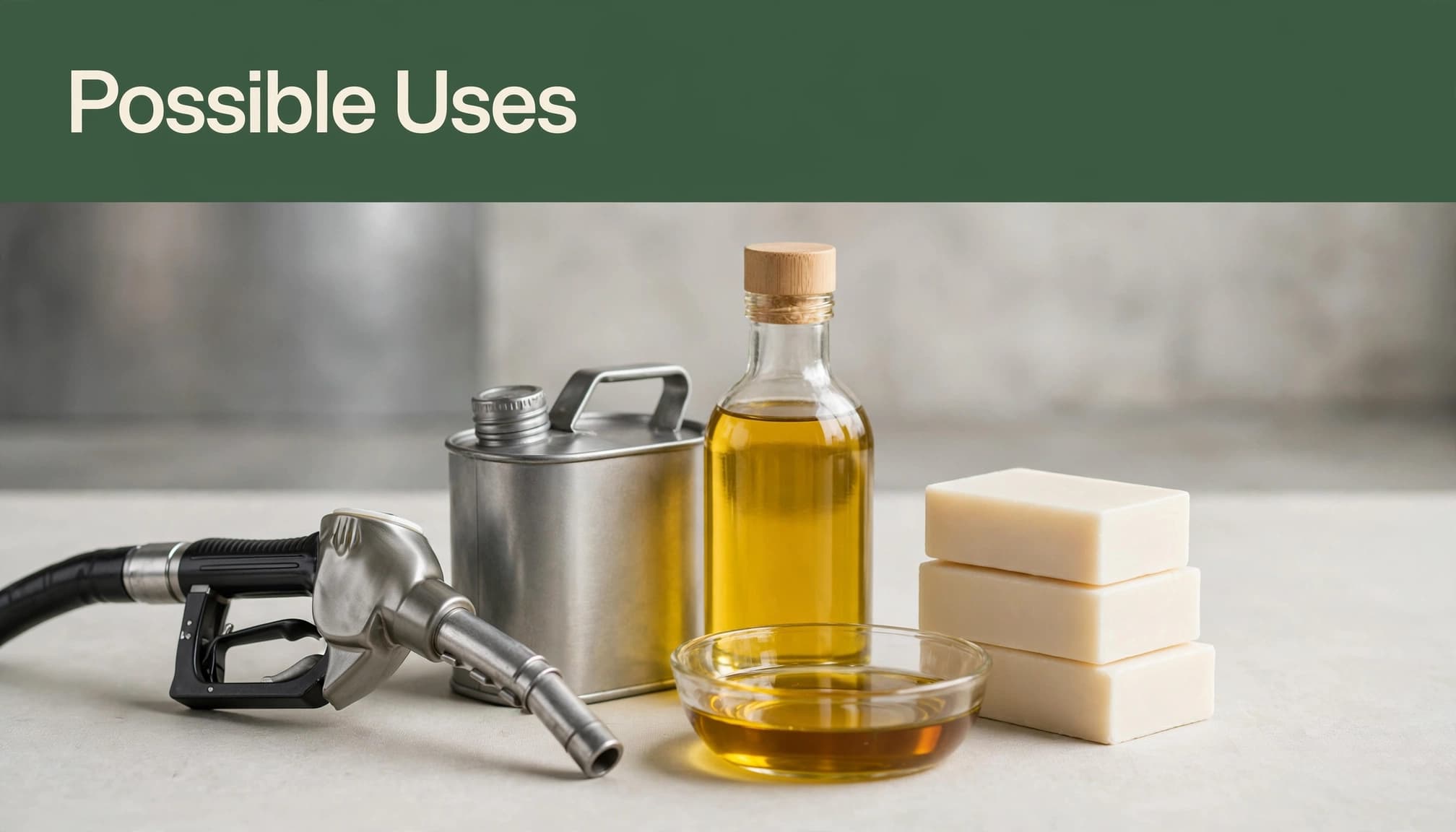
Biodiesel and renewable diesel for transportation
Used cooking oil can supply both fuels, but their chemistry differs. Biodiesel production commonly uses transesterification, which converts fats and oils into fatty-acid esters and produces glycerin as a coproduct.
Renewable diesel production typically uses hydrogen and catalysts to make hydrocarbon fuel similar to petroleum diesel. It isn’t interchangeable with biodiesel as a product name.
Environmental claims also need context. EPA’s renewable-fuel lifecycle analysis considers emissions across the fuel chain. Collection, processing, and conversion affect the outcome, so the two fuels don’t have identical benefits in every case.
Sustainable aviation fuel and other fuel pathways
Some used cooking oil can become sustainable aviation fuel through the hydroprocessed esters and fatty acids pathway, commonly called HEFA. This requires specialized fuel processing, rather than simple filtration.
Still, aviation fuel is only one possible destination. Qualification and environmental claims depend on the conversion pathway, feedstock origin, finished-fuel requirements, and applicable rules.
A restaurant shouldn’t describe every pickup as future jet fuel unless its downstream destination supports that statement.
Feed-grade oil and useful chemical ingredients
Properly processed oil may become feed-grade oil or enter a feed-grade yellow grease blend. The FDA’s feed ingredient terminology describes used cooking oil, feed grade, as commercial food-facility cooking oil heated to reduce moisture. Applicable feed requirements still govern its preparation and use.
Fats and oils can also supply fatty acids, glycerol, soaps, and surfactants. However, that doesn’t mean every batch reaches these markets. Processing capabilities and buyer specifications determine which chemical uses are practical.
How restaurant owners can support clean, traceable oil recycling
Your kitchen doesn’t need to perform industrial pretreatment. Its role is to preserve the oil’s condition, provide safe collection access, and keep useful records. A consistent routine makes that easier across shifts.
Protect the oil in an approved container
Use the container intended for your collection arrangement. Keep water, food scraps, and cleaning solutions out, and close the lid after adding oil. Don’t use the oil container as a general kitchen waste receptacle.
Make the storage rules clear to every employee who handles fryer oil. For example, wash water belongs outside the collection system, even when staff are cleaning nearby equipment.
Our container options include indoor rolling bins and outdoor steel bins with locking lids. The appropriate setup depends on your storage space and collection needs.
Discuss accepted oils, contamination rules, pickup frequency, and access arrangements with the collector. A schedule should match your actual oil volume so the container doesn’t become overfilled between visits.
Keep records without assuming tax-credit eligibility
Ask what pickup quantities and downstream destination information are available. Records can help document collection, although a receipt doesn’t necessarily trace a batch to one finished product.
The IRS clean-fuel credit guidance addresses qualifying fuel production. Collection alone doesn’t entitle a restaurant to the Section 45Z credit.
For fuel produced after December 31, 2025, the feedstock-origin requirement limits eligible feedstocks to those produced or grown in the United States, Mexico, or Canada. Fuel producers also have separate facility, registration, sale, and recordkeeping obligations.
If you operate a restaurant in Central New Jersey, call us (417) 329-2531) to discuss cooking oil collection and the right container or pickup plan for your kitchen.
Frequently Asked Questions
Does all collected restaurant oil become biodiesel?
No. Biodiesel is one possible destination, alongside renewable diesel, aviation fuel, feed-grade products, and chemical ingredients. The processor, oil condition, and market demand determine its use, so a routine pickup doesn’t establish that your oil will become biodiesel.
Can oil with water or food scraps still be recycled?
Processors can remove some moisture and solids, but excess contamination can affect acceptance, value, and treatment requirements. That doesn’t make deliberate mixing acceptable. Follow your collector’s handling rules, and report accidental contamination rather than assuming processing will remove everything.
Can used cooking oil really be used to make jet fuel?
Yes. Used cooking oil can supply the HEFA pathway for sustainable aviation fuel at a suitably equipped facility. The oil must undergo specialized conversion and meet applicable requirements. Only some collected oil enters this pathway, so collection doesn’t guarantee an aviation-fuel destination.
Does my restaurant get a tax credit when its oil is collected?
A collection transaction doesn’t automatically qualify your restaurant for a downstream clean-fuel production credit. Eligibility concerns qualifying fuel production and depends on requirements such as facility status, feedstock origin, and substantiating records. The IRS Section 45Z guidance describes the producer-level rules; an oil pickup receipt alone isn’t evidence of eligibility.
What records should I ask my oil collector for?
Ask for pickup dates, quantities, and any available information about the oil’s chain of custody or destination. The exact documents depend on the collector and its downstream arrangements. Keep available records together for your business files, but remember that the fuel producer remains responsible for supporting its own fuel-credit claim.
Give Collected Oil a Useful Next Step
Collected cooking oil can supply fuel, feed-grade products, or useful chemical ingredients. Its destination depends on the oil’s condition and the processing available. Clean storage helps preserve those options before the truck arrives.
For your restaurant, the practical priorities are a suitable container, consistent handling, and a reliable collection arrangement. Those habits protect the material you’re sending downstream and make pickups easier to manage.
Email us info@njoilrecyclers.com about cooking oil collection, cleanup, oil trap maintenance, or container options for your restaurant.