A bad used oil pickup plan can turn into a kitchen problem fast. You see it in spills by the back door, missed pickups before a busy weekend, oil theft, bad smells, and staff wasting time on cleanup.
In New Jersey, the choice matters even more because used cooking oil is a Class D recyclable, and proper used cooking oil recycling is a regulatory requirement. Restaurants need proper pickup, legal transport, and records that can stand up to inspection.
The best recycler isn’t always the one with the highest promise or lowest price. It’s the one that keeps your kitchen clean, your used cooking oil collection predictable, and your paperwork in order.
Key Takeaways
- Verify every recycler has an active A-901 License, NJDEP decal, insurance, and clear New Jersey compliance knowledge before considering rates or promises.
- Demand reliable scheduling, fast overflow response, site-fitted leak-resistant containers, and easy-to-access pickup records like signed manifests to keep your kitchen clean and compliant.
- Compare total value beyond payout rates—watch for hidden fees, contamination deductions, contract traps, and vague end-use explanations.
- Spot red flags like missing proofs, slippery answers, damaged equipment, or poor communication, and choose partners that protect your operation with steady service and local know-how.
Start with the basics every licensed transporter should meet
Before you compare rates, start with the non-negotiables. Licensed transporters should be able to show that they haul used cooking oil legally, carry insurance, and handle the material in a way that protects your business.
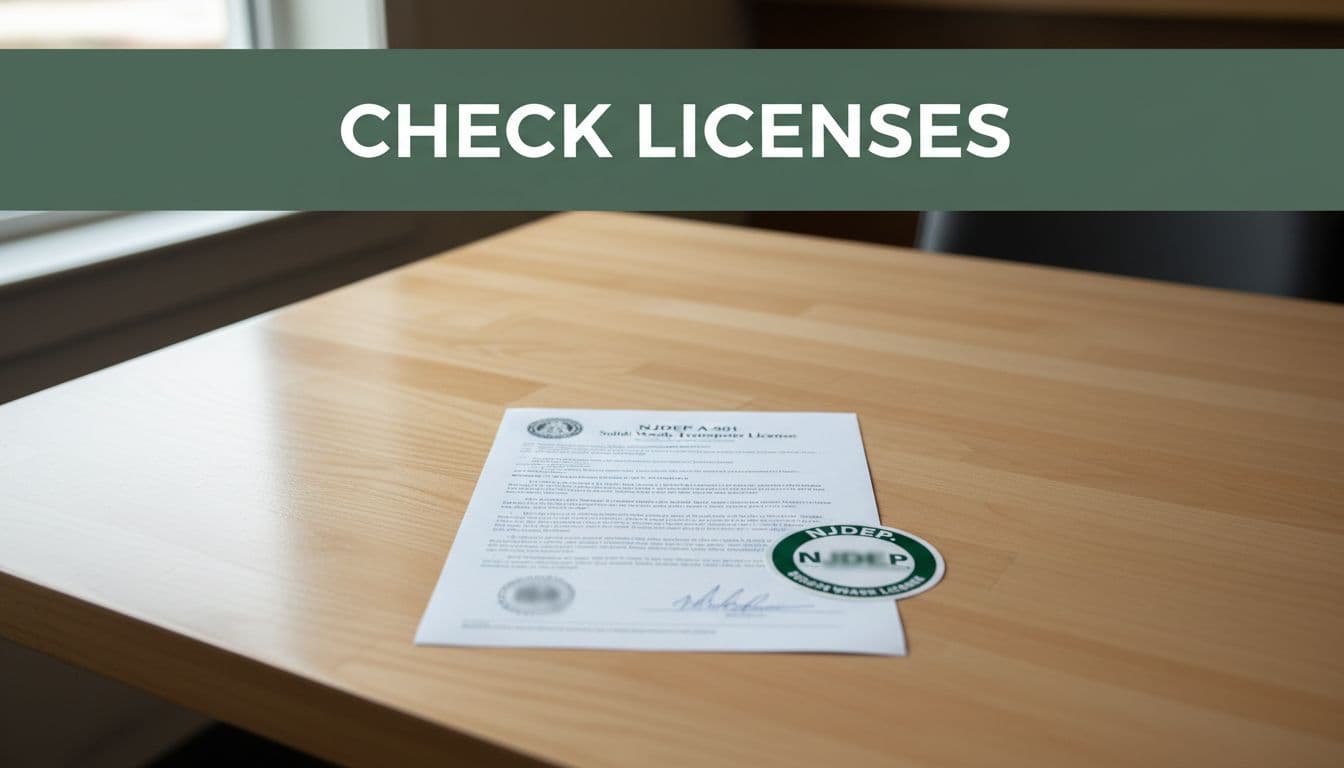
In New Jersey, that means more than a truck and a tank. A company transporting used cooking oil for others should have an active A-901 License, and its trucks should display the proper NJDEP decal. If a hauler can’t show those basics, the conversation should end there.
A good recycler also understands the bigger compliance picture. Restaurants in New Jersey have FOG regulations that cover grease trap cleaning, recordkeeping duties, and local sewer limits to manage. Because of that, a strong service partner should know how oil collection fits into those rules, not treat pickup like a one-step errand.
Check licenses, insurance, and New Jersey compliance
Ask direct questions. Request the company’s transporter license details, proof of insurance, and a clear explanation of how it handles used oil under New Jersey rules.
You don’t need a legal seminar. You need plain answers.
A reputable recycler should be able to explain whether its drivers carry the right paperwork, how spill incidents are handled, and what support it gives restaurants during inspections or local inquiries. If your manager asks for proof and gets vague language, that’s a warning sign.
Insurance matters for the same reason licenses matter. If a spill, property issue, or traffic incident happens during service, you don’t want finger-pointing. You want a company that planned for the risk before it showed up at your dock.
If a hauler can’t prove it’s licensed and insured, your restaurant takes on the risk they should be carrying.
Ask how they document every pickup
Paperwork isn’t glamorous, but it saves headaches. Each pickup should generate clear records, such as manifest tracking with manifests, receipts, service logs, or pickup reports.
In New Jersey, restaurants may need to keep signed manifests available for inspection. That means your recycler should make those records easy to get and easy to store. Digital copies help, but printed versions should be available when needed.
Good documentation also protects you in everyday situations. It helps confirm pickup dates, track oil volume, check payment accuracy, and settle disputes about missed service. If a company says, “We’ll keep track of it on our end,” that’s not enough.
Clear records do one more job. They give owners and kitchen managers a better picture of how much oil the kitchen produces. Over time, that helps you set the right pickup schedule and spot contamination problems that reduce oil value.
Choose a pickup program that fits your kitchen
The right grease collection services should fit your operation, not force your operation to fit its route. A high-volume fryer program for a busy chicken shop won’t look the same as a smaller setup for a café or school kitchen.
This is where service quality shows up in real life. The best used cooking oil collection plan matches your oil volume, storage space, staffing, and hours of operation, simplifying restaurant grease disposal. When pickup timing works, the back-of-house stays cleaner and staff spends less time dealing with full bins or slippery pavement.
Look for reliable scheduling and fast overflow response
Reliable service sounds simple, but it has a few parts. Pickups should happen on time, at the right frequency, with coverage during holidays and busy periods, including service availability in Central New Jersey.
Ask how the company sets schedules. Some recyclers offer fixed weekly or biweekly pickups. Others monitor volume and adjust service as your needs change. Either can work, as long as the result is the same: no overflow and no guessing.
Overflow is where weak service becomes expensive. Once containers fill up, oil ends up on the ground, around drains, or in makeshift buckets that staff shouldn’t be handling. That creates slip hazards, stronger odors, and a messy back entrance that no operator wants.
Fast response matters too. A recycler should have a clear plan for urgent pickups, not a vague promise to “try to get someone out.” Ask for the response window. Also ask who you call after hours and what happens during holiday weekends.
A missed pickup doesn’t stay a small problem for long. It eats labor, raises safety risks, and can interrupt kitchen flow on your busiest days.
Make sure the containers match your space and volume
Cooking oil containers affect almost everything, from cleanliness to theft prevention. Small kitchens may need indoor rolling cooking oil containers that staff can move safely. Higher-volume sites often do better with outdoor locking steel containers.
The best setup is leak-resistant, easy to access, and sized for the real amount of oil your kitchen produces. If the container is too small, overflow starts. If it’s too large for the space, staff may struggle to use it correctly or keep the area clean.
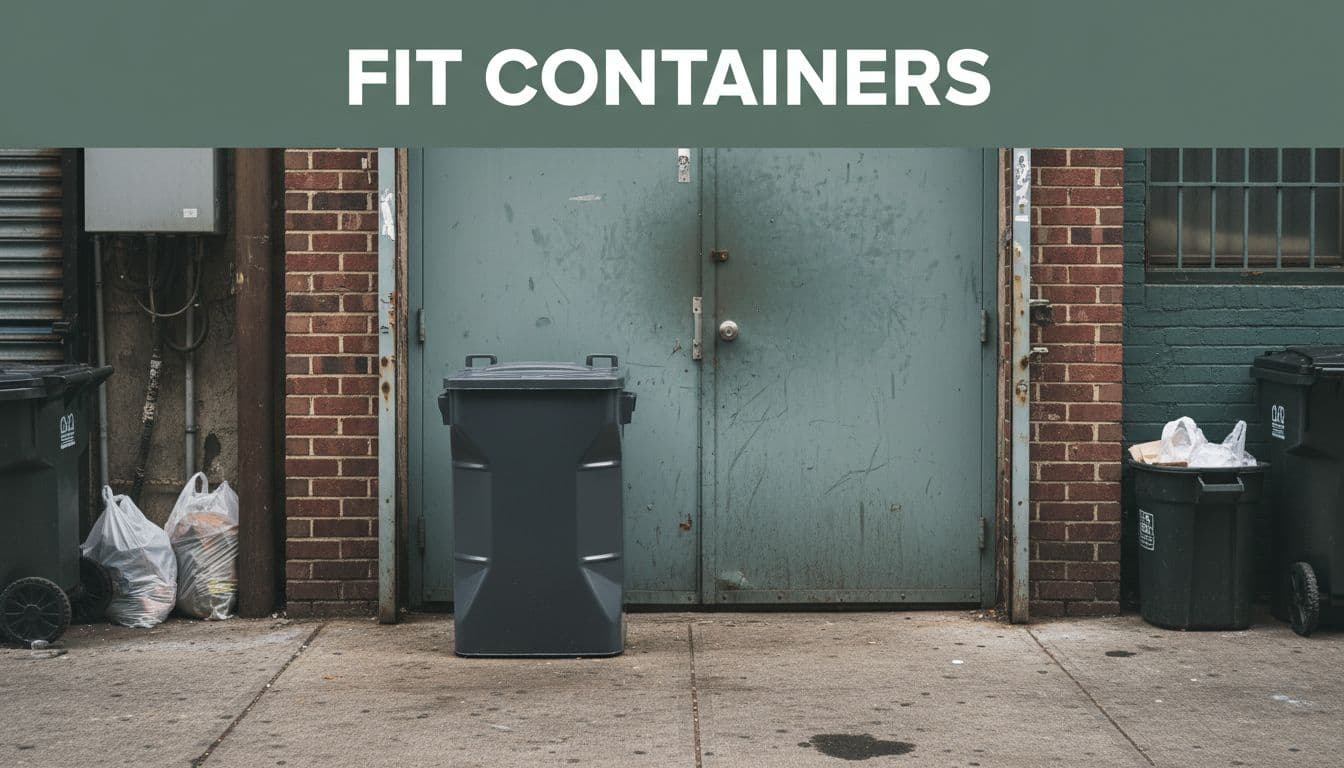
Anti-theft containers can also cut down on oil theft and tampering through grease theft prevention. That matters because stolen oil means lost value, extra mess, and service confusion when pickup day arrives.
If your site stores more than 1,000 liters, New Jersey rules can trigger added storage requirements, including secondary containment and record retention. Because of that, container planning isn’t just about convenience. It’s part of compliance.
Ask the recycler to visit the site before recommending equipment. A quick walk-through often reveals issues that a phone quote misses, such as tight alley access, sloped pavement, or a pickup point too close to customer traffic.
Compare value, not just the price per gallon
Restaurants often focus on payout first, and that’s understandable. Rebates for used oil represent a standard benefit for restaurant operators, turning used cooking oil into revenue rather than a disposal bill. Still, the best deal is about total value, not the headline number.
Recent New Jersey market data has put average rebates around $0.38 per gallon for clean waste cooking oil, with top rates reaching $1.00 per gallon in some cases for used cooking oil recycling. Those numbers can change with market demand, oil quality, contamination, and volume. A strong offer should explain all of that clearly.
The table below shows what to compare before you sign.
| What to compare | Why it matters |
|---|---|
| Payout rate | A high rate means little if it changes without notice |
| Oil quality rules | Water and food particles can reduce value |
| Minimum volume terms | Small accounts may get different pricing |
| Container or equipment fees | “Free” service sometimes isn’t free, especially for restaurant rendering tanks |
| Cleanup or emergency charges | Surprise fees can erase rebate value |
| Contract length and cancellation terms | A long contract can trap you in weak service |
| Payment timing | Monthly, quarterly, and on-demand schedules affect cash flow |
The takeaway is simple: don’t let one attractive number hide weak service or extra charges.
Look for clear payment terms and no hidden fees
Ask how and when you get paid. Then ask what lowers the value of your oil.
A trustworthy recycler should explain whether payments come by check or direct deposit, how often payouts happen, and how contamination is measured. If the company docks value for water, crumbs, or mixed waste, you should hear that upfront, not after pickup.
You should also ask about equipment charges, trip fees, cleanup costs, minimum gallon rules, and so-called free oil pickup offers. Some contracts look strong on the front page and thin out in the fine print. Read the service terms like you’d read a vendor food contract, because the same rule applies: small clauses can cost real money.
Ask where your oil goes after pickup
A recycler should be open about what happens after the truck leaves your property. In many cases, used cooking oil supports biodiesel production or other approved recovery uses.
That matters for two reasons. First, it helps confirm the company is operating as a real recycler, not simply acting as a middleman with weak controls. Second, it gives your restaurant honest support for any sustainability claims you make, highlighting the positive environmental impact.
If you promote recycling or greener operations, ask for a plain explanation of the chain after pickup. The answer doesn’t need to be technical. It should be clear, consistent, and believable.
Frequently Asked Questions
What licenses and proofs should I demand from a New Jersey used oil recycler?
Every licensed transporter needs an active A-901 License and NJDEP decal on trucks, plus proof of insurance. Ask for details on spill handling, inspection support, and how they fit into FOG regulations. Vague answers mean walk away—your restaurant can’t afford the risk.
Why do pickup records and manifests matter for my restaurant?
New Jersey rules require signed manifests available for inspection, protecting you from fines and disputes. Good records track volumes, confirm service, spot issues like contamination, and simplify audits. Insist on easy digital and printed access, not ‘we’ll handle it.’
How do I ensure the pickup schedule and containers fit my kitchen?
Schedules should match your volume and hours with holiday coverage and quick overflow response—ask for exact windows. Containers need to be leak-proof, theft-resistant, sized right, and compliant for larger storage. Have them site-visit to avoid mismatches that cause spills or staff hassles.
What should I compare beyond the payout rate per gallon?
Look at oil quality rules, minimum volumes, equipment fees, cleanup charges, contract terms, and payment timing—average rebates hover around $0.38/gallon, but hidden costs erase gains. Demand clear explanations on deductions and where oil goes for biodiesel or recovery. Total value beats headline numbers.
What red flags mean a recycler isn’t trustworthy?
No license/insurance proof, vague pricing/fees, dirty/tamper-prone containers, missed pickups, incomplete records, or evasive spill/end-use answers. Good ones communicate clearly, show up reliably, and understand NJ restaurant needs. Slippery service starts with slippery talk.
Watch for service signs that tell you who to trust
Once a recycler clears the compliance test and offers fair terms, look at how it behaves. Service habits tell you more than a sales pitch ever will.
The strongest providers tend to be easy to reach, clear in their billing, and steady in the field. They also understand local routes, common overflow issues, and how commercial kitchens in New Jersey actually operate.
Good recyclers communicate clearly and show up when promised
Good communication shows up in small moments. Calls get returned. Service windows are realistic. Billing matches what was agreed to. When there’s a problem, you know who owns it.
That kind of clarity often leads to fewer missed pickups and faster fixes, especially for core services like fryer oil recycling. It also reduces friction for managers who already juggle staffing, food costs, deliveries, and health inspections.
Local experience helps too. A recycler that regularly serves New Jersey restaurants will often know common municipal expectations, site access problems, and seasonal pickup patterns. References from similar kitchens can tell you a lot.
Related services can also add value, as long as they are well-defined. For example, grease trap maintenance, oil trap maintenance, automated oil management, or bulk cooking oil delivery may save time and reduce vendor juggling. Still, ask what each service includes so you don’t confuse trap care with pipe cleaning or emergency plumbing.
Red flags that should make you walk away
Some warning signs are easy to spot once you know where to look:
- The company won’t provide license or insurance proof.
- Pricing sounds good, but fees stay vague.
- Containers look damaged, dirty, or easy to tamper with.
- Pickups get missed, moved, or blamed on “route issues.”
- Records are incomplete or hard to get.
- No one can explain spill response or emergency service.
- The company avoids basic questions about where the oil goes, risking improper hazardous waste disposal.
A recycler should make this process easier. If every answer feels slippery, the service probably will too.
The right choice comes down to a short filter. Verify compliance, test reliability, check container fit and safety, compare the full value, and review how the company handles records and support.
For restaurant owners, managers, and kitchen teams in New Jersey, a strong recycler should do more than collect oil. It should protect your kitchen, simplify compliance, and make used oil pickup one less thing to chase. Partnering with the right one delivers sustainable oil solutions for your operations.