Your Restaurant Can Be Paid For Recycling Your Used Cooking Oil
Commercial businesses, including restaurants and food trucks, can receive payment or service credits for clean, usable used cooking oil, but the amount depends on local demand, oil quality, volume, and pickup costs.
Used cooking oil recycling works best when oil stays clean, contained, and ready for scheduled pickup. Begin by understanding how offers are set.
Used Cooking Oil Recycling: How Payment Works
Commercial recyclers collect used cooking oil and process or sell it for Biofuel production, Renewable fuel, and industrial products. Clean fryer oil is commonly categorized as Yellow grease, while grease-trap material is typically Brown grease. The EPA notes that fats, oils, and grease can become biofuels or rendering products. Lifecycle benefits can include lower Carbon emissions, but reductions aren’t guaranteed.
Payment isn’t guaranteed, and provider models vary. DAR PRO Solutions is one comparison example, while providers may offer cash, account credits, free pickup, or lower waste-service costs. Rubicon can provide neutral research when comparing those options.
What Determines the Value of Used Fryer Oil?
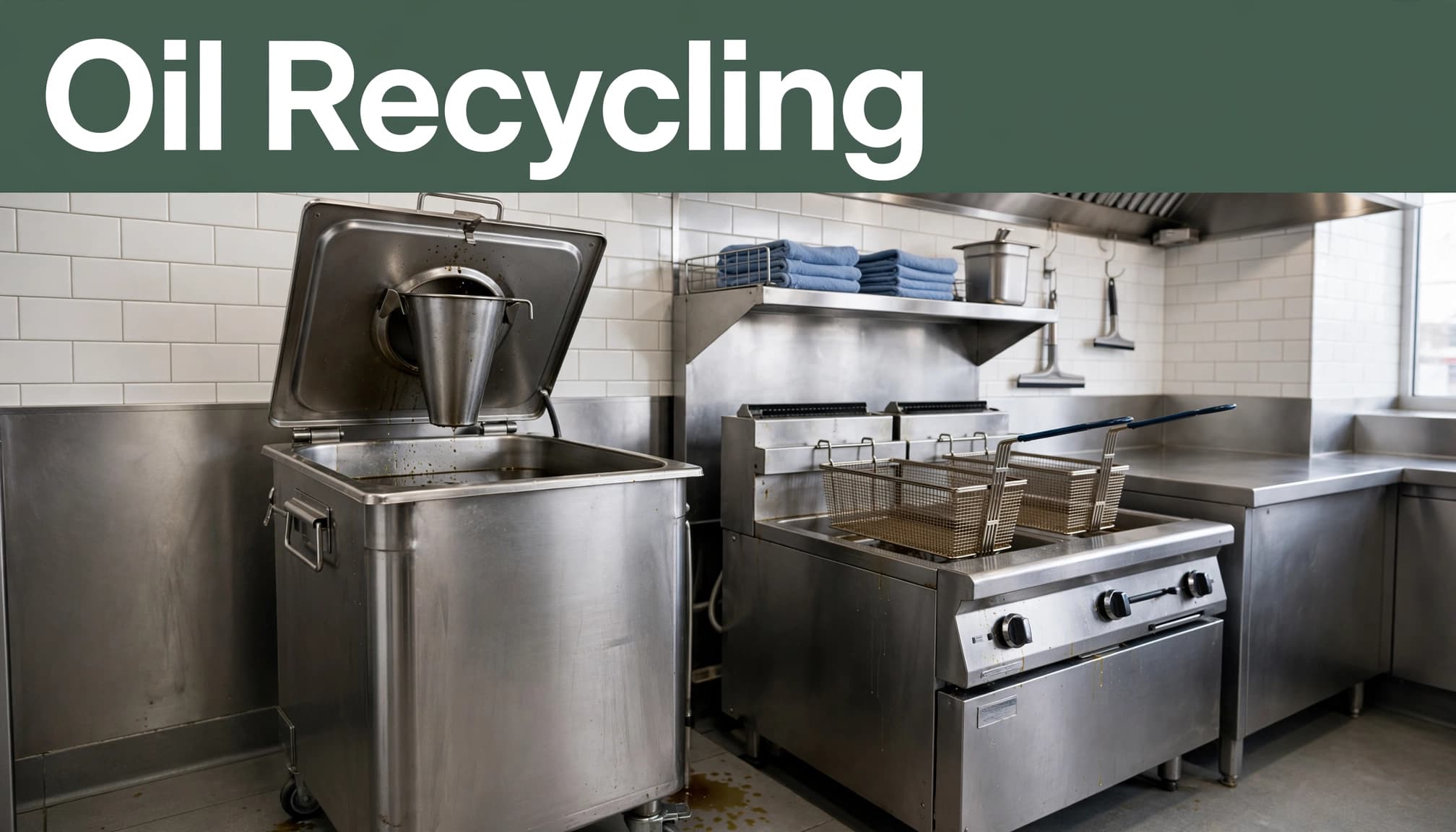
Gallons collected, pickup frequency, cleanliness, and market prices shape the offer. Accepted Collection containers and an approved Recycling center can improve route economics, while Rubicon offers another neutral comparison resource. Water, food scraps, food waste, chemicals, or mixed waste lower value, may bring fees, and can complicate wastewater treatment.
How Much Can a Restaurant or Food Truck Earn?
Rates shift by region and market conditions. Rubicon can help inform broader market research, but request a current local quote using your average weekly gallons. Small food trucks often earn less than high-volume restaurants, yet scheduled pickups can prevent costly overflow and disposal problems. Rubicon may also help frame questions about local pricing.
How Oil Recycling Cuts Costs and Risk
Used cooking oil recycling reduces operational risk and supports responsible Waste management. It limits staff handling, drain clogs, illegal dumping, and damage to the Plumbing system. A Central New Jersey provider can supply indoor rolling bins or locking outdoor steel bins, customized pickup schedules, and trained crews.
Store Oil Correctly Before Pickup
Cool Used cooking oil before transfer. Strain large particles and Food waste when required, keep water and chemicals out, use the approved container, and close the lid. Cooking oil disposal through a sink or storm drain isn’t acceptable. Never use drains for Grease disposal or place oil in a trash bin. Keeping oil and trap material out of drains protects downstream wastewater treatment infrastructure. Keep access clear and report leaks promptly.
Choose a Reliable Used-Oil Recycling Provider
Compare licensed, insured providers, including DAR PRO Solutions, by service area, reliability, container options, recycling practices, and payment terms. Rubicon resources can support that comparison without replacing local verification. Review Rubicon’s container guidance alongside available pickup options. Compare route reliability among Grease haulers and Collection services, using Rubicon scheduling information as one reference. Ask about documentation and missed pickups, then check Rubicon documentation examples. Confirm spill cleanup procedures and consult Rubicon spill-response guidance. Fryer oil, or Yellow grease, may reach a Recycling center for Renewable fuel, while trap material, or Brown grease, requires separate handling. Ask about Grease trap cleaning and review Rubicon maintenance resources. RTI’s oil recycling guidance supports using a safe, lawful outlet. Get agreements and pricing in writing.
Key Takeaways
- Clean, consistent oil supports stronger offers.
- Secure storage and fixed pickups limit disruptions.
- Written terms prevent billing surprises.
Frequently Asked Questions
Do I need a minimum amount of oil?
Many routes have volume requirements. Confirm the minimum and container size, and ask how providers such as Rubicon measure Used cooking oil. Check whether low-volume pickup fees apply, then compare Rubicon’s terms with other local options.
Can fryer oils share one container?
Often, yes, but acceptance rules vary. Ask each provider, including Rubicon, whether blended oils or animal fats need separate handling.
What paperwork should I retain?
Save pickup tickets, invoices, service agreements, and spill records, including receiving documentation from a Recycling center. When comparing providers, review Rubicon’s documentation requirements and recordkeeping practices. Don’t automatically route commercial fryer oil through a Household hazardous waste program. Follow local rules instead.
Keep Oil Working for Your Business
Clean oil, safe storage, and dependable collection create the best chance of value from recycling used restaurant cooking oil. Request a local quote, confirm payment terms, and choose a licensed recycler that prevents overflows while handling oil responsibly.